


Sustainable Fashion Guide: Building an Eco-Conscious Wardrobe
 by
Mila Rossi
by
Mila Rossi
Building a sustainable wardrobe doesn’t mean sacrificing style or comfort. It means making intentional choices about what you buy, how long you keep it, and where those pieces come from. An eco-conscious wardrobe starts with investing in quality basics, choosing natural and recycled materials, and supporting brands that prioritize environmental responsibility. Aulumu offers a curated selection of sustainable pieces designed to help you create a wardrobe that aligns with your values without compromising on aesthetics. The fashion industry is one of the world’s largest polluters, producing massive amounts of waste and consuming enormous quantities of water and resources. By making conscious choices, you become part of the solution.
Understanding Sustainable Fabric Choices

The fabric you choose makes a significant difference in your clothing’s environmental impact. Natural fibers like organic cotton, linen, and hemp require fewer chemicals during production and biodegrade at the end of their life. Organic cotton eliminates the pesticides and synthetic fertilizers used in conventional cotton farming, reducing water contamination and protecting farmer health. Linen is incredibly durable and requires minimal pesticide use, while hemp grows quickly without depleting soil and can be harvested multiple times per year. Recycled materials such as recycled polyester and Tencel are excellent alternatives that reduce waste and lower carbon footprints. Aulumu focuses on pieces made from responsibly sourced materials that combine durability with minimal environmental harm. When you understand the origin of your fabrics, you can make purchases that reflect your commitment to sustainability and support ethical manufacturing practices.
Quality Over Quantity: The Foundation of Sustainability
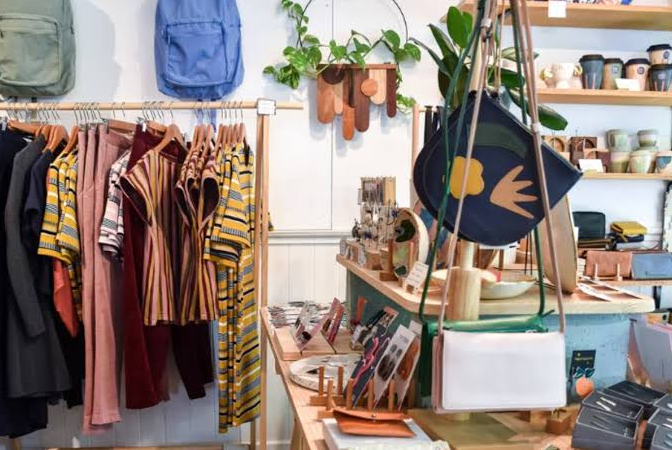
Fast fashion’s disposable mentality is the enemy of an eco-conscious wardrobe. Instead, focus on buying fewer pieces that are better made, more versatile, and designed to last for years. A well-constructed garment that you wear regularly for a decade has a far lower environmental impact than ten cheap pieces you discard after a season. Look for garments with reinforced seams, quality buttons, and sturdy zippers that won’t fail prematurely. Invest in timeless styles that won’t go out of fashion quickly, neutral colors that pair easily with other items, and garments that can be dressed up or down depending on the occasion. Aulumu specializes in enduring designs that become wardrobe staples rather than impulse purchases. When you calculate the cost-per-wear of a quality piece worn hundreds of times versus a cheap alternative worn a handful of times, the value becomes crystal clear.
Building a Versatile Color Palette
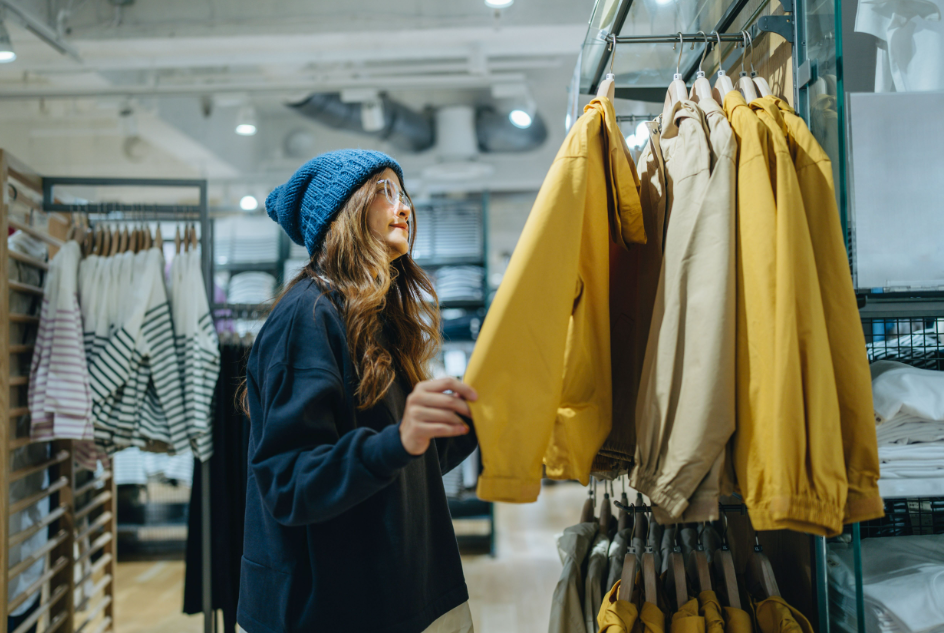
A sustainable wardrobe thrives on a cohesive color palette that allows pieces to mix and match effortlessly. Stick to a base of neutral colors like black, white, navy, beige, and gray, then add personality with a few jewel tones or earth tones that complement your skin tone. This approach means every piece works with multiple outfits, reducing the number of garments you need. When you can create dozens of combinations from a small collection, you wear everything more frequently and justify the investment in quality. Consider your undertone, local climate, and lifestyle when selecting your core palette. A well-chosen color palette becomes your personal uniform, making getting dressed faster and more enjoyable. Explore pieces designed to work together seamlessly and build a wardrobe that evolves with your lifestyle without requiring constant new purchases.
Care and Longevity Practices
Even the most sustainably produced garment loses its environmental advantage if it falls apart after a few wears. Proper care extends the life of your clothing significantly. Wash clothes in cold water, air dry when possible, and store items carefully to prevent damage. Learn to repair small issues like loose seams, missing buttons, or small tears before they become irreparable. Many tailors offer affordable alterations to adjust fit, and basic sewing skills can save countless pieces from the landfill. Consider investing in a hand sewing kit and learning simple repair techniques. When you treat clothing as something worth caring for rather than disposable, your entire relationship with fashion shifts. The longer you wear each item, the more sustainable your entire wardrobe becomes, and the more money you save in the long run.
Shopping Secondhand and Swapping
Buying pre-owned clothing is one of the most sustainable fashion choices you can make. Thrift stores, consignment shops, and online resale platforms offer incredible variety at lower prices. You also extend the life of garments already in existence, reducing demand for new production. Beyond secondhand shopping, consider organizing clothing swaps with friends where you exchange items you no longer wear. Digital swap platforms connect people across cities, allowing you to find exactly what you’re looking for while giving unwanted items a second life. Combine secondhand finds with quality new pieces from sustainable brands to create a wardrobe that tells a story of mindful consumption and celebrates both heritage and new possibilities.
Making Intentional Purchases
Before buying anything, ask yourself whether you truly need it and how many outfits you can create with it. The best purchases are those that fill genuine gaps in your wardrobe and increase outfit combinations significantly. Consider your lifestyle, climate, and personal style to ensure every piece serves a purpose. Impulse shopping undermines sustainability efforts, so take time to think about new additions and whether they align with your existing collection. Use the “add before wearing” rule: when you find something you love, wait at least a week before purchasing. Often, the urge to buy fades, proving the purchase was impulse-driven rather than necessary. This simple practice prevents buyer’s remorse and reduces consumption dramatically.
- Choose natural or recycled materials whenever possible.
- Prioritize quality construction and timeless designs.
- Build outfits from a cohesive color palette.
- Care for clothing properly to extend its lifespan.
- Shop secondhand and swap with friends regularly.
- Make intentional purchases that fill real wardrobe needs.
An eco-conscious wardrobe is a journey, not a destination. Start where you are, make incremental changes, and celebrate the progress you make.