


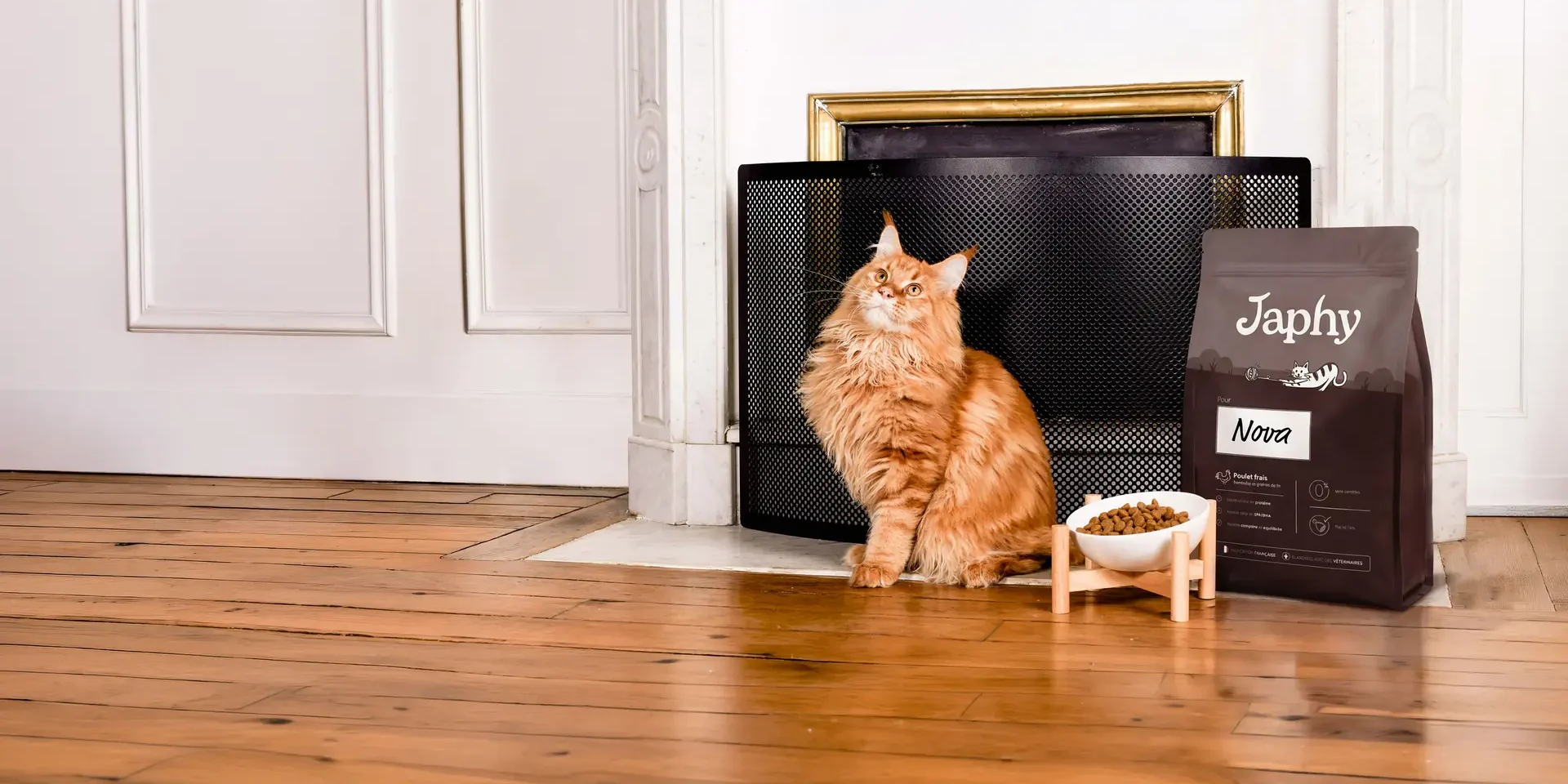
Sensitive Stomach or Fussy Eater? Where Japhy Fits Into the Feeding Puzzle
 by
Mila Rossi
by
Mila Rossi
There are dogs that hear a food bag open from three rooms away and appear beside the bowl before you have even finished pouring. Then there are dogs who sniff dinner, look at you with disappointment, and walk away as if they were expecting something from a restaurant.
Add a sensitive stomach to the mix and feeding can become genuinely frustrating.
Owners often respond by trying one food after another. Sometimes that helps, but constantly changing the menu can make it harder to work out what is actually going on. A more useful starting point is to understand the dog, look closely at the current diet, and make changes for a reason.
That individual approach is part of what Japhy brings to everyday dog nutrition.
First, is your dog actually a fussy eater?
A dog refusing food occasionally is not necessarily unusual. Appetite can vary with activity, weather, treats and changes in routine. Some dogs also learn very quickly that ignoring their kibble might result in something more exciting appearing later.
Before declaring your dog impossibly picky, look at the entire day.
How many treats are they getting? Does someone else in the house offer scraps? Are they eating chews between meals? A dog that seems uninterested in dinner may simply have consumed more than you realised.
This is why portion control matters alongside the type of dog food you choose. Japhy uses information about the individual dog to recommend a recipe and daily quantity, giving owners a clearer feeding routine to work from.
Of course, a sudden loss of appetite is different from lifelong fussiness. If a dog that normally loves food suddenly refuses meals, particularly alongside vomiting, diarrhoea, lethargy or other unusual behaviour, veterinary advice is the sensible next step.
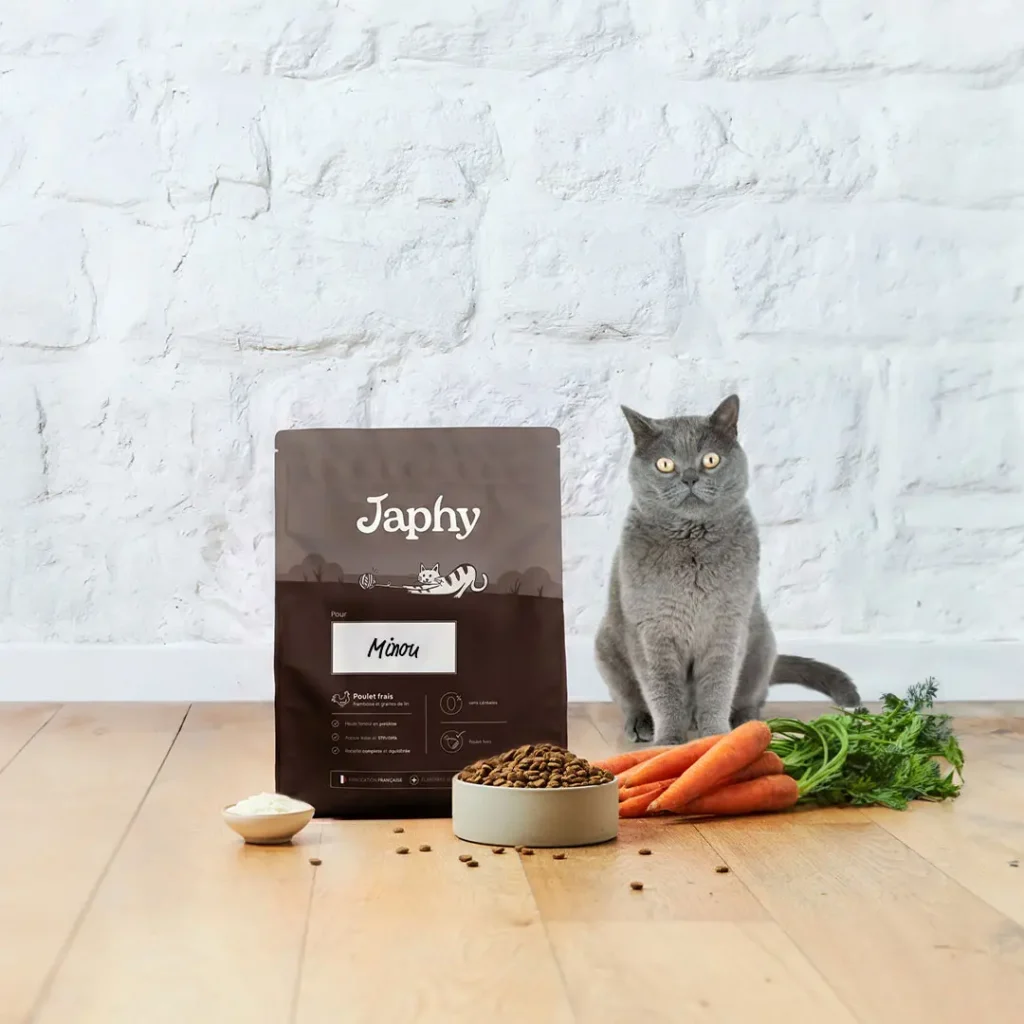
A sensitive stomach needs a little detective work
Digestive issues can be more difficult because there is rarely a useful label attached to the problem.
Loose stools, excessive gas or digestive discomfort can have many possible causes. Food may be involved, but so can eating something outdoors, sudden diet changes, parasites or underlying health problems.
If you suspect the current diet is not agreeing with your dog, avoid changing several things at once. Switching the main food, treats and supplements simultaneously makes it difficult to identify what helped or caused the problem.
It also pays to read the ingredient list rather than relying on phrases printed across the front of the bag.
Japhy offers different kibble recipes, allowing the feeding recommendation to be matched more closely to the dog’s profile. Its recipes include animal protein alongside ingredients selected as part of a complete nutritional formula. Having different options can be useful when one universal recipe clearly is not the right answer for every dog.
Changing food? Give the transition some thought
Even when you have found a promising new food, moving from the old diet to the new one overnight is rarely the smartest approach.
Dogs can be sensitive to sudden dietary changes. A gradual food transition gives the digestive system time to adjust and also makes it easier to see how the new recipe is being tolerated.
You might begin with mostly the existing food and a smaller amount of the new kibble, then gradually increase the new portion over several days. The exact transition can depend on the dog, particularly if they already have digestive sensitivities.
When moving to Japhy, the same basic principle applies. Changing the recipe thoughtfully is more useful than expecting one different bowl to instantly solve every feeding issue.
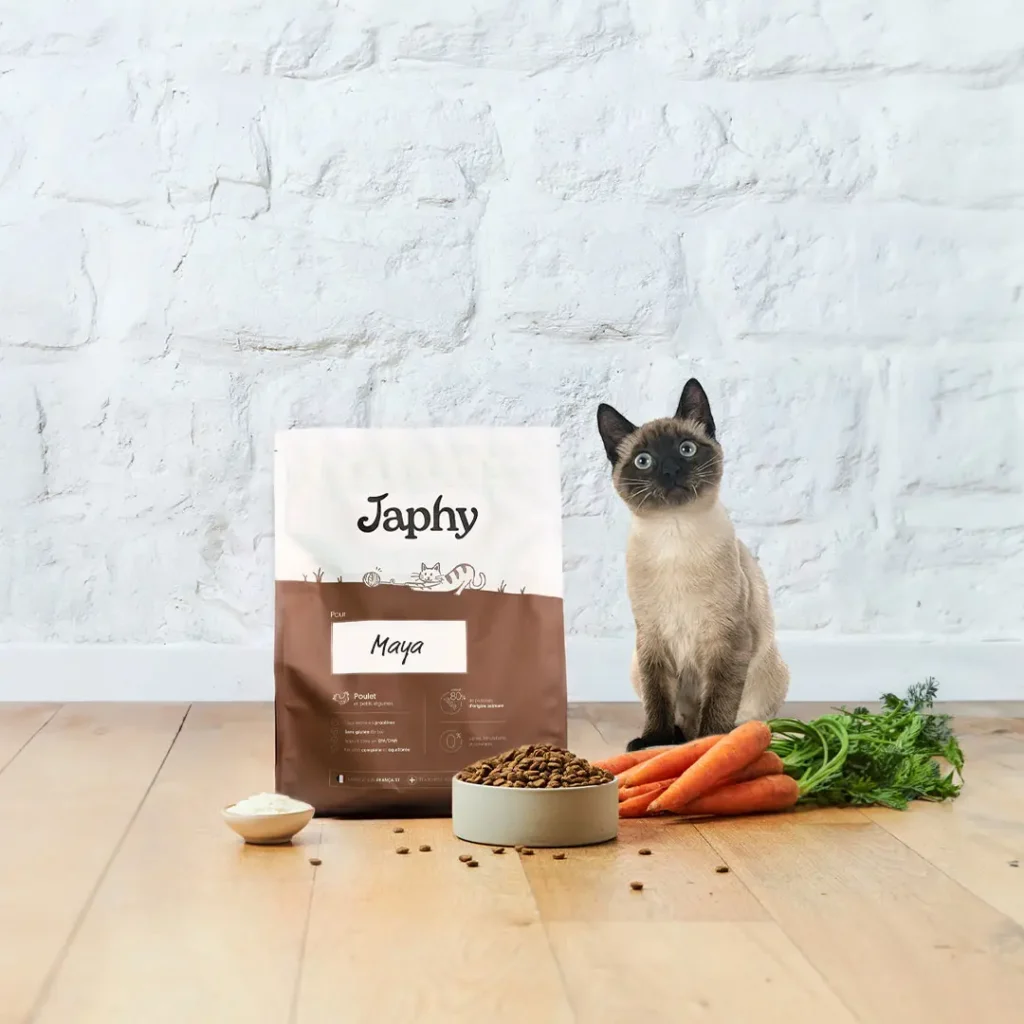
Watch the dog, not just the empty bowl
Finishing every meal is encouraging, but it is not the only sign that a food is working well.
Over the following weeks, notice the things that are easy to observe at home. Are stools reasonably consistent? Is your dog maintaining a healthy body condition? Do they have normal energy? Does the food seem to keep them satisfied between meals?
A dog can enjoy a particular food enormously and still receive more calories than needed, so enthusiasm alone is not a nutritional assessment.
The personalized approach used by Japhy can provide a useful starting point because the recipe and portions are connected to information about the dog rather than chosen entirely from a supermarket shelf. Owners still provide the most important ongoing feedback by watching how their pet responds.
Feeding a fussy dog or one with a sensitive stomach can require some patience. The goal is not to keep hunting for a magical ingredient or changing food every time your dog looks unimpressed.
Start with a balanced diet suited to the individual dog, keep portions sensible, make transitions gradually, and pay attention to what happens afterwards. Sometimes the feeding puzzle becomes much easier once you stop searching for a food designed for every dog and start thinking about the particular one waiting beside your bowl.