



Making Your Holiday Home: Tips for Creating Comfort During Long-Term Rentals
 by
agent
by
agent
Long-term rental experiences differ dramatically from standard vacation stays, requiring different approaches to comfort, settling in, and making temporary spaces feel like home. Whether you’re spending a few weeks, several months, or managing an extended transition, transforming an unfamiliar rental into a comfortable living space requires intentional effort and practical knowledge. The difference between a tolerable temporary situation and a genuinely pleasant extended stay often comes down to small choices and perspective shifts that make spaces feel welcoming rather than temporary.
The Psychology of Long-Term Rental Comfort
Psychologically, extended stays in unfamiliar spaces create stress that temporary vacations don’t trigger. Vacationers expect discomfort and novelty; permanent residents settling temporarily expect comfort and familiarity. Meeting these expectations requires transforming rentals into functional homes rather than merely occupying them. Extended apartment rentals designed with residential living in mind facilitate this transformation more easily than traditional hotels or minimal rental spaces.
Research on temporary housing shows that people who invest effort in personalizing their spaces report substantially greater satisfaction and improved mental health compared to those who treat rentals as merely temporary. This isn’t about luxury or elaborate decoration; it’s about creating an environment reflecting your preferences and supporting your routines. Even small personalizations dramatically improve the psychological experience of extended temporary living.
Practical Setup for Functional Living
Before settling in, inspect your rental thoroughly and document pre-existing conditions through photos and written descriptions. Verify that all utilities, appliances, and amenities function properly before the landlord or property manager leaves. Identify where everything is located, understand security systems and door locks, and learn the building or neighborhood basics. This foundational knowledge eliminates day one frustrations and establishes a functional baseline for your stay.
Set up your living space systematically, treating it as you would a new home rather than haphazardly unpacking. Establish dedicated spaces for different activities, organizing belongings logically rather than leaving items in suitcases. A functional bedroom setup supports sleep quality; a dedicated work area if needed supports productivity. These organizational choices transform spaces from temporary to livable. Fully equipped apartment accommodations provide necessary foundations; your setup choices build livable spaces.
Kitchen Setup and Meal Preparation
If your rental includes kitchen facilities, establishing efficient meal preparation routines immediately improves quality of life. Explore local grocery stores, farmers markets, and food options before supplies become critical. Purchase pantry staples you prefer, establishing familiar meal options rather than relying exclusively on restaurants or takeout. Cooking familiar foods in your temporary kitchen creates normalcy and comfort, breaking up the constant otherness of temporary situations.
Invest in a few quality kitchen implements if the rental’s basics prove inadequate. A good cutting knife, comfortable cooking pot, or other essentials improving cooking experience justify modest investments for extended stays. These tools support practical living rather than merely consuming prepared food. Even brief cooking sessions create routine and familiarity supporting psychological well-being during extended temporary living.
Personalizing Your Space

Small personalizations transform impersonal spaces into homes without violating rental agreements. Hang artwork, create a comfortable sitting area, arrange furniture to your preferences, and add lighting improvements. Command hooks and removable solutions facilitate non permanent personalization. These adjustments needn’t be elaborate; small choices reflecting your preferences substantially improve living space comfort.
Plants, artwork, and personal items create visual interest and familiarity. Photographs of loved ones, meaningful objects, or simple decorations transform blank rental walls into personalized spaces. These touches serve psychological purposes beyond aesthetics, connecting you to your identity and important relationships during temporary situations. Allow yourself to invest in these small comforts rather than maintaining temporary psychology despite extended stay duration.
Establishing Routines and Rhythms
Extended stays thrive on established routines that create structure and normalcy. Morning routines, exercise schedules, meal times, and work rhythms create daily patterns that support both productivity and well-being. Temporary psychology often disrupts routines through uncertainty and displacement; intentionally reestablishing familiar patterns counters this disruption. Your body and mind thrive on consistency, and extended stays benefit from applying the same principles as permanent living.
Explore your neighborhood systematically, identifying favorite coffee shops, parks, restaurants, and routines. This neighborhood familiarity transforms an unknown area into a known space, substantially improving the psychological experience of extended living. Regular visits to favorite locations create comfortable patterns and expected interactions that support well-being during uncertain circumstances.
Creating Workspace and Productivity
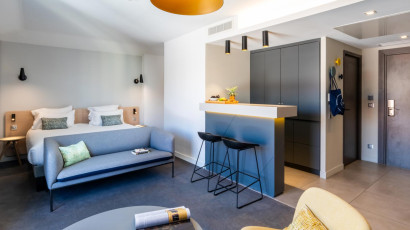
For remote workers or anyone requiring focused work, establishing dedicated workspace proves essential. Even a corner desk or table dedicated to work facilitates focus and separates work from leisure. Ergonomic considerations matter during extended stay work, as temporary furniture strains quickly multiply over weeks or months. Invest in support if your rental’s furniture proves inadequate for extended work sessions. Apartment accommodations with dedicated workspaces support extended stay productivity and comfort.
Lighting, comfortable seating, and organized workspace substantially improve work quality and reduce strain. These practical choices improve both productivity and physical health during extended working arrangements, worthwhile investments for stays exceeding a few days.
Managing Supplies and Practicalities
Extended stays require ongoing supply management distinct from brief travel. Build inventory of household essentials, toiletries, and preferred foods rather than shopping constantly. Identify pharmacies, hardware stores, and service providers if maintenance needs arise. Understand your rental’s utilities and temperature controls, preventing discomfort from inadequate heating, cooling, or lighting.
Establish laundry routines and understand your facilities, whether in-unit washers or building laundromats. Regular laundry prevents accumulated garment overflow and supports the normalcy of maintaining your living space rather than perpetually living from suitcases. These practical routines support dignity and comfort during extended living.
Building Temporary Community
Extended stays create opportunities for temporary community that brief visits don’t allow. Interact with neighbors, local business owners, and community members. These casual connections, while temporary, support psychological well-being and reduce isolation during extended stays. You needn’t become permanent community members to benefit from friendly interactions and developing familiarity with people in your temporary location.
Maintaining Perspective and Flexibility

Despite best efforts, temporary rentals contain limitations and imperfections. Maintaining perspective about temporary nature prevents minor frustrations from undermining otherwise positive experiences. Simultaneously, treating your temporary space as genuinely livable rather than merely tolerable dramatically improves quality of life. This balance between realistic expectations and genuine comfort creates successful extended stay experiences.
Extended stays work best when you engage psychologically with your temporary situation rather than wishing it away. Comfortable apartment accommodations provide foundations; your mindset and effort transform them into genuine homes. Even temporary situations deserve your full engagement and effort, typically rewarding such attention with dramatically improved experiences and meaningful memories from what could otherwise have been forgettable transitions.