




Coverage Types Explained: Finding Your Perfect Insurance Plan
 by
mb
by
mb
Insurance shopping overwhelms many people because coverage options seem complex and terminology obscures rather than clarifies important details. Understanding different coverage types helps you select plans providing appropriate protection without paying for unnecessary extras. The right insurance plan balances coverage adequacy with premium affordability. Expert insurance guidance helps you navigate options and select protection matching your specific situation.
Basic vs Comprehensive Health Insurance
Basic health insurance covers essential medical care—emergency treatments, hospital stays, and critical procedures. Comprehensive health insurance adds preventive care, specialist visits, mental health treatment, and extended rehabilitation. Basic plans cost less but leave gaps in coverage. Comprehensive plans provide broader protection but require higher premiums. Your choice depends on health status, family medical history, and financial capacity. Generally, younger healthier people might accept basic coverage while those with chronic conditions require comprehensive protection. Preventive care costs less than treating advanced diseases, making comprehensive coverage cost-effective long-term.

Property Insurance: Actual Cash vs Replacement Cost
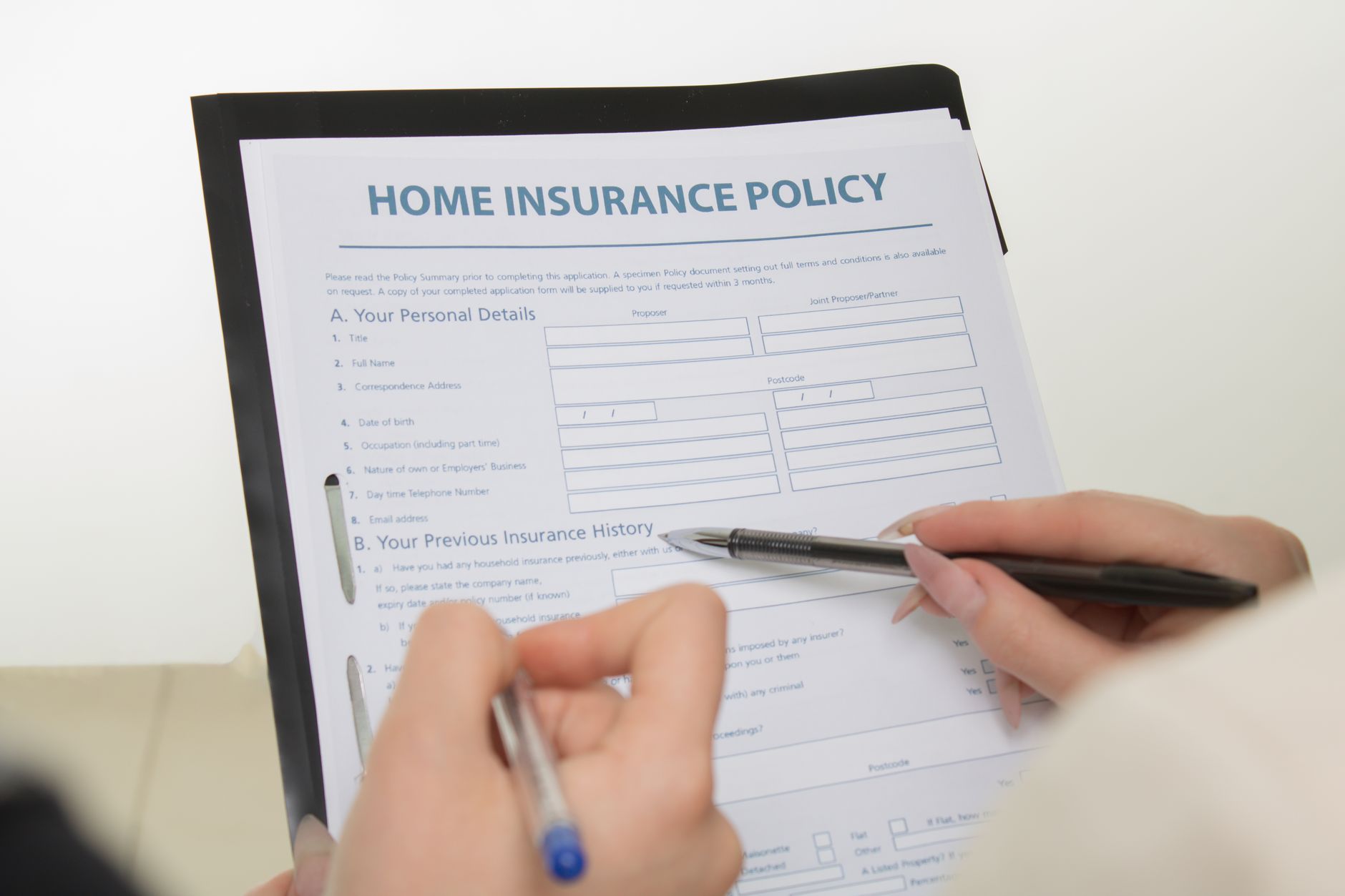
Property insurance replaces belongings when they’re damaged or destroyed. Actual cash value coverage reimburses what items are worth today, accounting for depreciation. A television purchased five years ago is worth significantly less today. Replacement cost coverage reimburses what it costs to replace items with new equivalents. Replacement cost costs more but provides complete replacement capability. Property insurance options should match your financial capacity and replacement preferences. Most homeowners prefer replacement cost despite higher premiums.

Auto Insurance: Liability, Collision, and Comprehensive
Auto liability insurance covers damage your vehicle causes to others—legally required in most jurisdictions. Collision coverage addresses damage to your vehicle from accidents with other vehicles. Comprehensive coverage protects against theft, weather, vandalism, and animal strikes. Basic policies include only liability coverage. More complete policies add collision and comprehensive. Deductibles—your out-of-pocket cost during claims—vary significantly. Higher deductibles reduce premiums but increase your financial exposure during incidents. Finding balance matters for your financial situation.
Life Insurance: Term vs Permanent
Term life insurance provides death benefit coverage for specified periods—10, 20, or 30 years. Premiums are low, making adequate coverage affordable for families. If you survive the term, coverage expires with no payout to your estate. Permanent life insurance (whole life, universal life) continues throughout life, accumulating cash value like an investment. Permanent coverage costs substantially more but never expires. Your choice depends on how long you need coverage and your financial capacity. Most families benefit from term insurance covering working years.
Disability Insurance: Short-term vs Long-term
Short-term disability covers 3-6 months of income replacement during recovery from illness or injury. Long-term disability provides income replacement for extended periods—sometimes to retirement age. Short-term costs less but provides limited protection. Long-term offers comprehensive income replacement for serious, permanent disabilities. Disability insurance options should ensure you can survive financially if unable to work.
Customizing Coverage to Your Needs
Optimal insurance rarely means selecting maximum coverage across all categories. Instead, assess your actual risks based on health, assets, lifestyle, and financial capacity. A young healthy professional might accept higher health insurance deductibles while selecting comprehensive auto insurance if driving frequently. Parents should prioritize life and disability insurance to protect family income. Homeowners need comprehensive property coverage. Insurance professionals specializing in your needs can recommend appropriate coverage combinations.
Regular Reviews and Adjustments
Life changes require periodic insurance reviews to maintain adequate protection. Job changes, family additions, property purchases, and major life events all impact insurance needs. Annual reviews ensure your coverage evolves with your circumstances. Insurance needs change throughout life stages.
Getting Started with Insurance Planning
Contact insurance professionals to discuss your specific situation and coverage needs. They help identify gaps and recommend appropriate protection levels.
- Annual policy reviews ensure coverage adapts to changing circumstances
- Bundling multiple policies often provides significant premium discounts
- Deductible selection dramatically impacts both premiums and out-of-pocket costs
- Coverage gaps create financial vulnerability despite being partially insured
- Honest health disclosure ensures claims aren’t denied for material misrepresentation
Finding your perfect insurance plan requires understanding coverage options and assessing personal needs. Working with experienced insurance professionals ensures you select protection matching your risk profile and financial goals.