


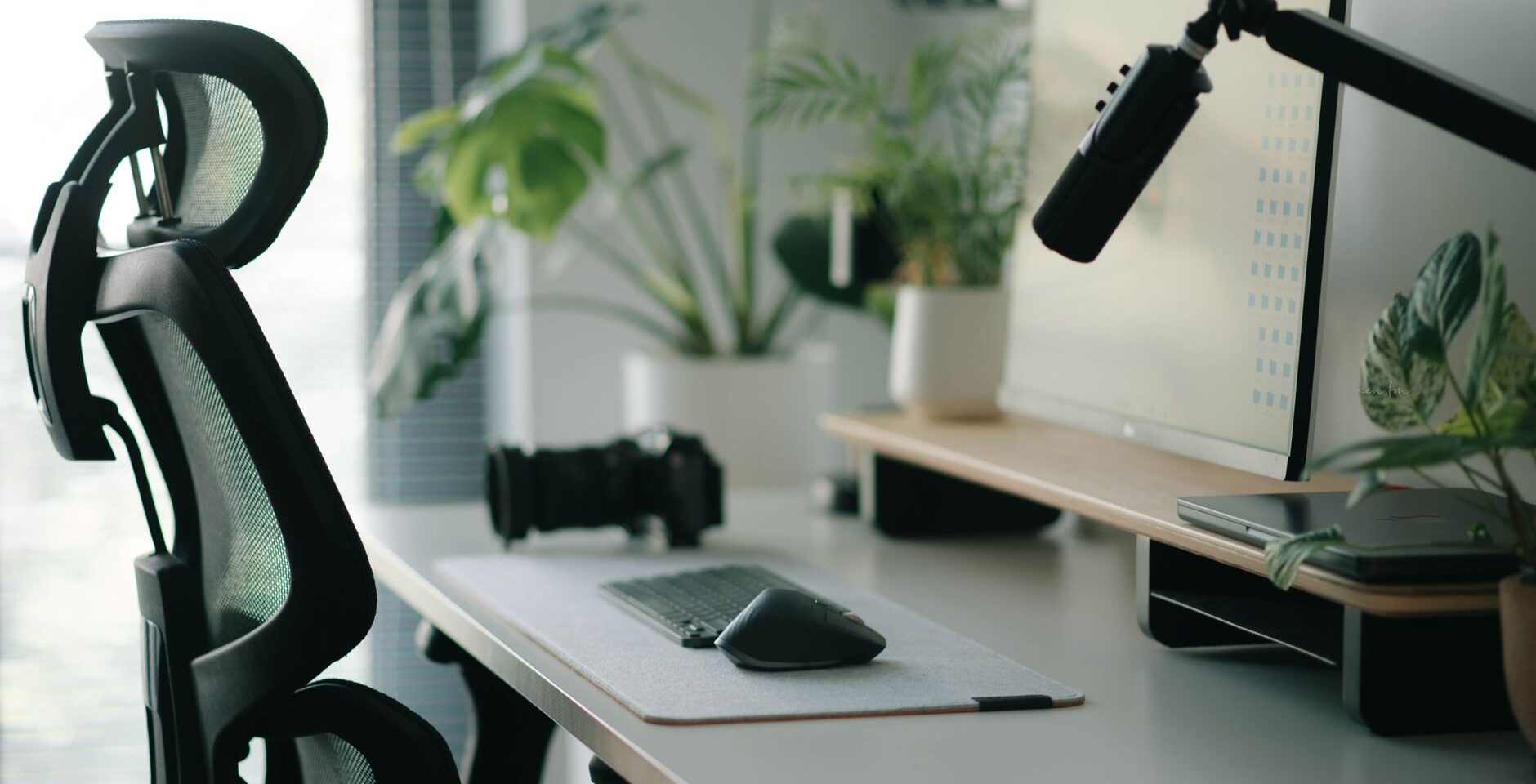
Eliminating Desk Pain: How Standing Desks Relieve Back Problems and Improve Spinal Health
 by
Mila Rossi
by
Mila Rossi
Prolonged sitting creates devastating physical consequences through chronic back pain, postural deterioration, and musculoskeletal strain affecting millions of office workers globally. Sedentary work positioning compresses spinal discs, weakens supporting core muscles, and creates tension throughout neck and shoulders. Eight-hour workdays spent sitting accumulate into decades of structural damage. Common workplace chairs fail to support proper spinal alignment despite ergonomic claims. Back pain severity often forces medication reliance creating additional health complications. Flexispot standing desks eliminate seated positioning stress through active height adjustment enabling posture variation throughout workdays. Understanding spinal health consequences of prolonged sitting enables informed ergonomic decisions. Movement-enabled work environments reverse sedentary damage patterns. Postural correction addresses pain root causes rather than temporary symptom management.
Understanding Prolonged Sitting and Spinal Damage Mechanisms
Sitting positions compress spinal discs creating pressure buildup over hours of immobility. Herniated discs result from chronic compression where disc material pushes through surrounding tissue. Muscle atrophy from prolonged sitting weakens core stabilizers supporting proper spinal alignment. Hip flexor tightness develops from sustained sitting angles affecting lower back positioning. Neck strain accumulates from forward head positioning common in seated desk work. Flexispot standing desk alternatives eliminate compression through vertical positioning enabling spine decompression. Standing positions reduce disc pressure while strengthening supporting muscles. Active positioning prevents muscle atrophy progression. Movement capability addresses multiple sitting damage pathways simultaneously. Cumulative damage from years of sitting often becomes irreversible requiring surgical intervention in severe cases.

Postural Alignment and Shoulder Tension Relief
Seated positions encourage forward hunching where shoulder rounding creates chronic tension accumulation. Rounded shoulders compress chest while tensioning neck and upper back structures. Shoulder tension frequently radiates into arms creating widespread discomfort beyond original pain site. Forward head positioning associated with sitting creates neck strain progressing into headaches. Flexispot standing positions encourage natural spinal alignment reducing forward rounding tendency. Vertical positioning engages core muscles supporting proper shoulder positioning. Aligned shoulders reduce tension accumulation. Corrected positioning addresses pain sources rather than managing symptoms. Proper alignment distributes weight optimally preventing overload of specific structures.
Movement Integration and Pain Prevention
Static positioning whether sitting or standing creates strain through immobility. Flexispot height-adjustable design enables frequent position changes preventing immobility stress. Regular sitting-standing transitions stimulate circulation preventing blood pooling. Movement variety prevents localized muscle fatigue. Frequent changes prevent compensation patterns where muscles overcompensate for fatigued structures. Dynamic workdays enable activity that seated-only environments prevent. Movement-enabled environments reduce pain progression significantly. Varied activity prevents adaptation where nervous system becomes dependent on pain medication.
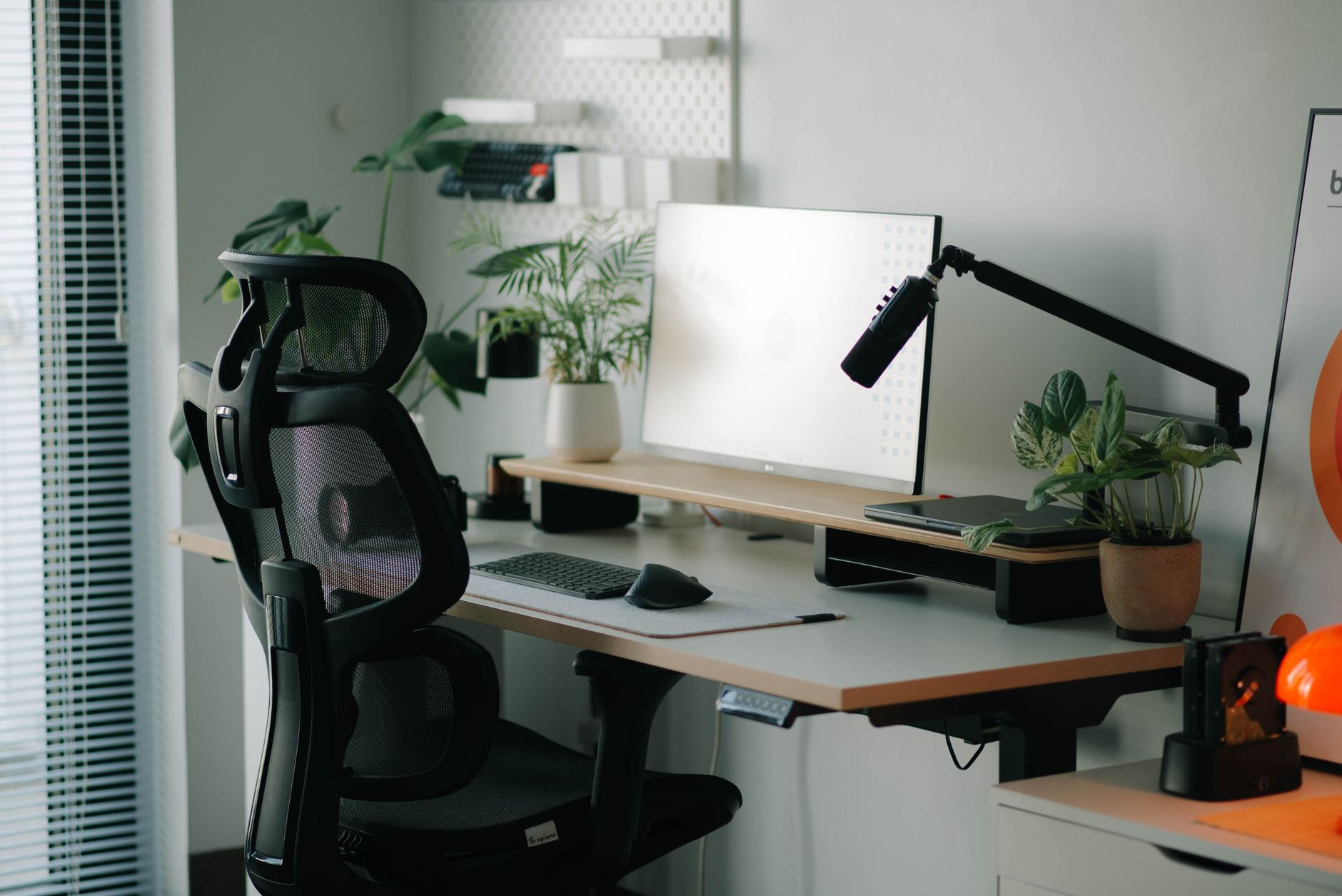
Core Muscle Activation and Spinal Support
Standing positions require core muscle engagement for balance and stability absent in seated work. Activated core muscles strengthen spinal support systems preventing vertebral misalignment. Progressive core strengthening from standing work improves postural stability. Strengthened stabilizers reduce dependency on spinal structures for support. Flexispot standing work provides continuous core activation supporting long-term back health. Muscle strengthening reverses atrophy from prolonged sitting. Progressive improvement enables pain reduction over weeks of consistent standing. Active strengthening addresses pain prevention permanently. Strong stabilizers provide resilience against future strain episodes.
Weight Distribution and Lumbar Pressure Reduction
Seated weight concentrates on lumbar spine through compressed disc positioning. Standing distributes weight through legs reducing spinal burden. Pressure reduction enables disc recovery from chronic compression damage. Repeated sitting-standing transitions allow recovery periods preventing cumulative damage. Flexispot adjustability enables frequent transitions maximizing recovery periods. Pressure relief enables physiological healing. Reduced loading allows degenerative processes stabilization. Weight distribution optimization supports long-term spine health. Consistent pressure relief over months enables noticeable pain reduction and functional improvement.
Energy Circulation and Blood Flow Improvement
Seated positions restrict circulation through hip and leg compression. Blood pooling in lower extremities reduces oxygen availability throughout body. Reduced circulation creates energy crashes and mental fog throughout workdays. Standing positions enable unrestricted circulation supporting sustained energy. Flexispot standing work improves circulatory function supporting cardiovascular health. Enhanced circulation delivers consistent oxygen maintaining energy levels. Improved blood flow supports mental clarity and focus. Physiological improvement extends beyond pain relief toward overall wellness. Better circulation prevents varicose veins and blood clot risks from prolonged immobility.
Long-Term Pain Prevention and Structural Preservation
Chronic back pain often leads to degenerative disc disease through continued compression damage. Pain management alone fails to address underlying structural deterioration. Preventive approaches through movement and positioning prevent progressive deterioration. Flexispot standing work provides preventive intervention preserving spinal structure. Early intervention prevents expensive surgical intervention later. Structure preservation enables pain-free aging. Long-term benefits justify immediate environmental changes. Young workers establishing standing desk habits prevent decades of pain and limitation. Preventive positioning proves far more cost-effective than treating established degenerative conditions.
Medication Reduction and Dependency Prevention
Back pain sufferers frequently depend on pain medications with potential addiction risks. Chronic medication use creates side effects affecting overall health. Structural improvements through movement reduce medication dependency. Flexispot standing work enables pain reduction without pharmaceutical intervention. Reduced medication needs improve overall health. Chemical dependency prevention protects long-term wellbeing. Natural pain reduction proves superior to continuous medication reliance. Health improvements often enable medication reduction or elimination over months of consistent standing use.
Eliminating Back Pain Through Ergonomic Movement
- Standing positions reduce spinal compression enabling disc recovery and pain reduction
- Frequent position changes prevent muscle fatigue and compensation pattern development
- Standing work activates core muscles strengthening spinal support systems
- Improved circulation and weight distribution support physiological healing processes
Flexispot standing desks eliminate back pain through ergonomic positioning enabling movement throughout workdays. Spinal health improvement reverses sitting damage enabling pain-free productivity for decades of continued professional success. Workplace pain elimination transforms careers through improved capability and reduced medical costs.