


Essential Outdoor Gear Every Adventure Seeker Needs
 by
Mila Rossi
by
Mila Rossi
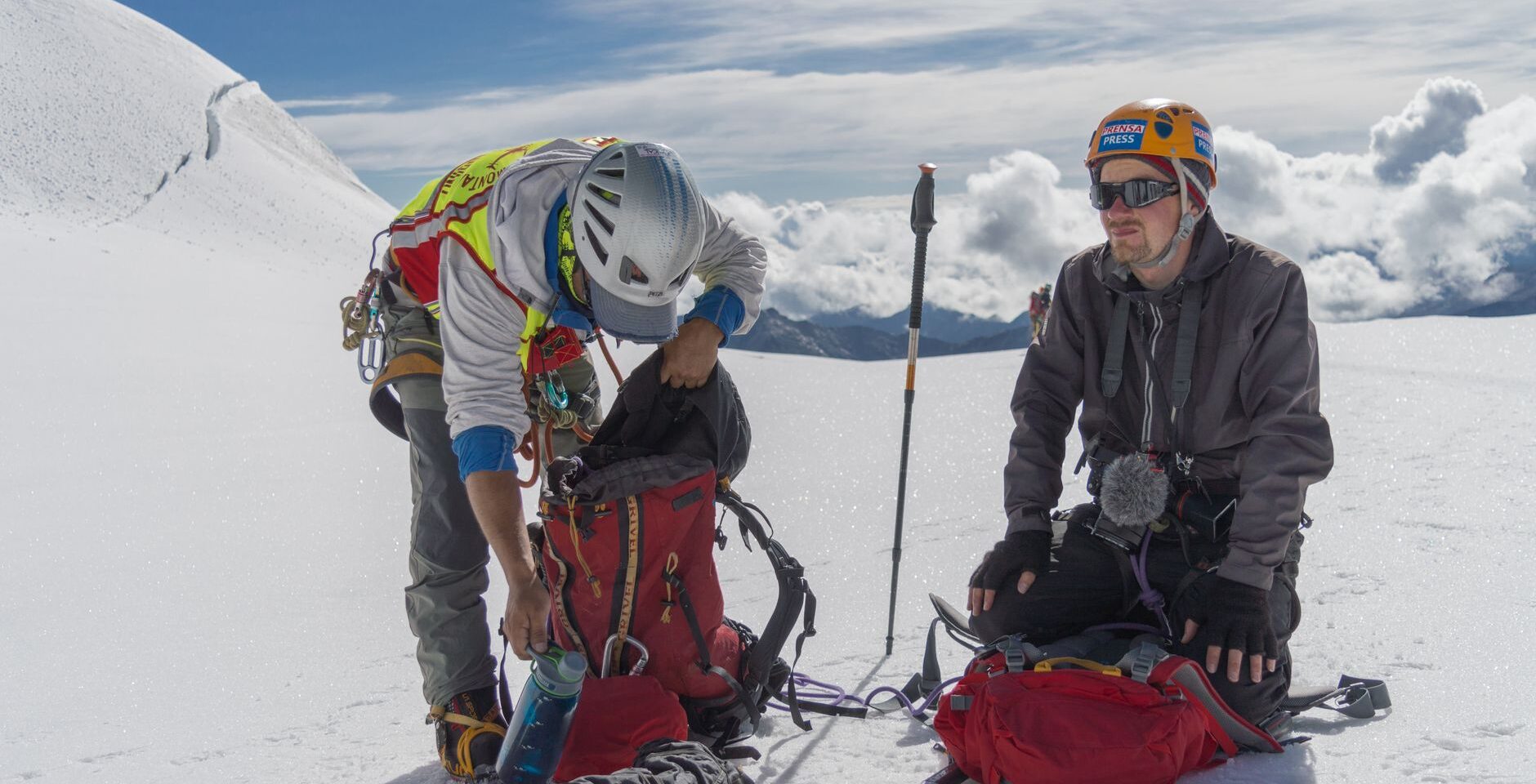
Venturing into the wilderness requires proper preparation and quality equipment that you can rely on in challenging conditions. Whether you’re hiking mountain trails, camping in remote forests, or exploring coastal landscapes, the right gear transforms your experience from uncomfortable to truly memorable. Improper equipment selection often ruins otherwise beautiful trips through discomfort and safety concerns that could have been prevented. Adventure equipment designed for outdoor exploration helps you focus on the experience rather than worrying about equipment failure or inadequate protection from the elements.
Shelter and Sleep Systems
Your shelter protects you from elements and provides psychological comfort in remote environments where you’re exposed to weather. Modern tents balance weight, durability, and weather resistance in ways impossible a decade ago. Three-season tents handle spring through fall conditions effectively. Four-season models manage winter storms and high-altitude exposure. Your sleep system includes a tent, sleeping bag, and sleeping pad. The pad provides crucial insulation from ground cold—many beginners neglect this and suffer through miserable nights on cold ground despite warm sleeping bags. High-quality sleeping pads provide both insulation and cushioning for comfortable rest. Quality outdoor gear including a proper tent and pad makes sleeping in the wilderness genuinely comfortable rather than something to merely tolerate.
Navigation and Safety Equipment
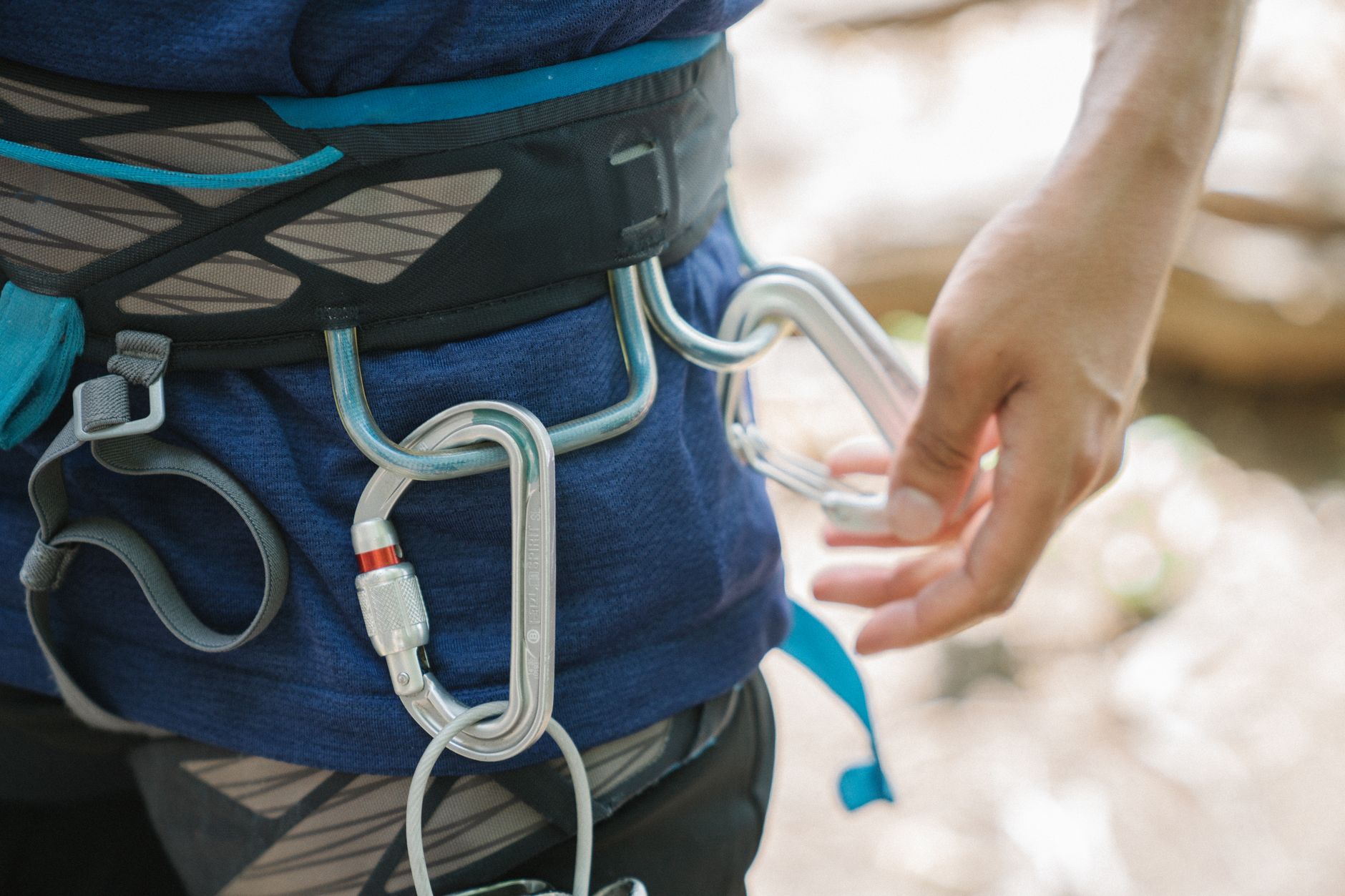
Getting lost ends adventures abruptly and creates dangerous situations quickly. A physical map and compass remain reliable despite dead batteries—they never fail unlike electronic devices. Modern GPS devices and smartphone apps supplement traditional navigation tools effectively. Invest in a headlamp or flashlight with extra batteries—darkness falls faster than expected, and navigating in the dark becomes significantly more difficult and dangerous. First aid kits appropriate to your environment are non-negotiable for safety. Include blister treatment, pain relief, and bandages at minimum. More extensive kits include elastic wraps for sprains, antibiotic ointment, tweezers for splinters, and pain medication for emergencies.
Clothing for Changing Conditions
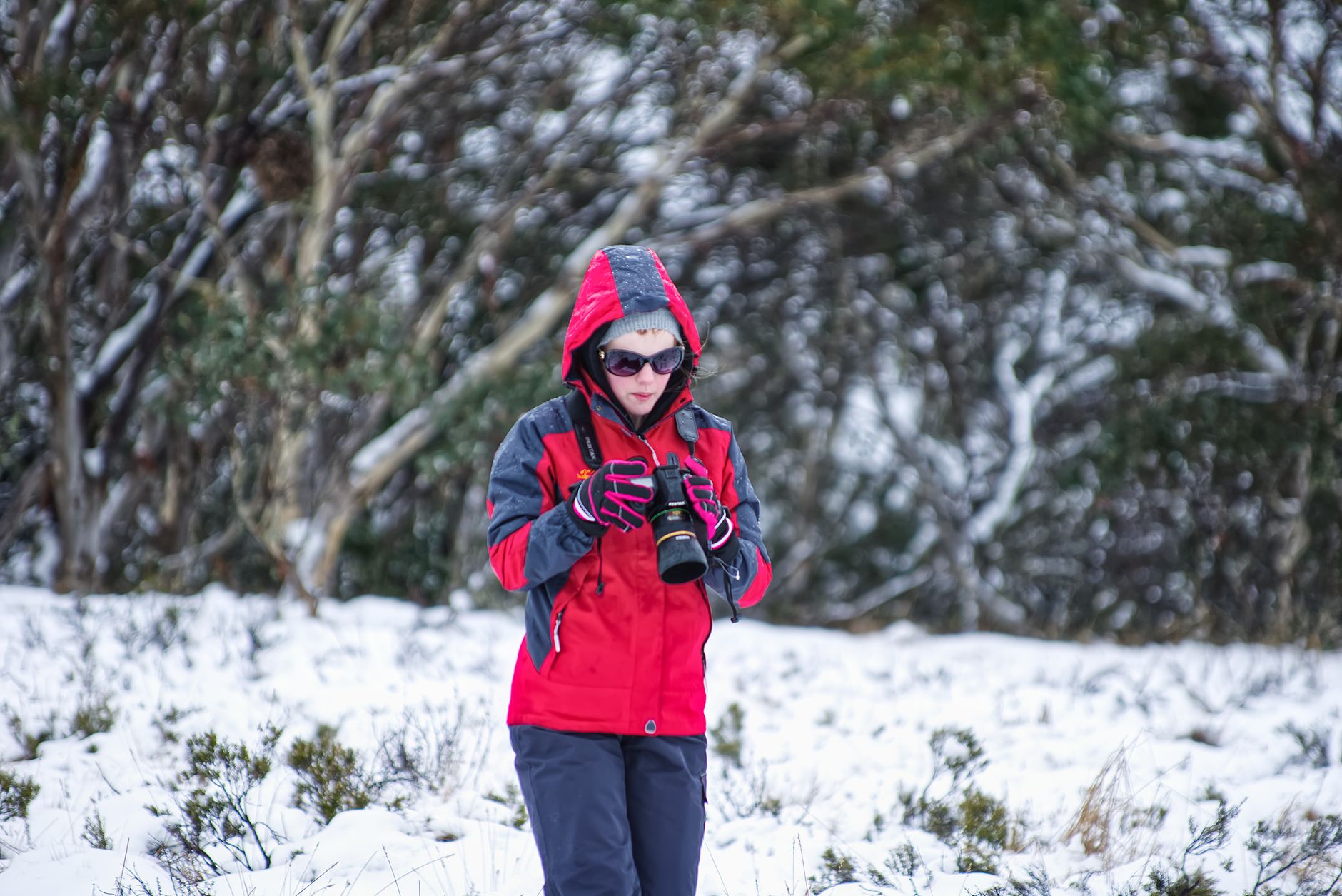
The saying goes: there’s no bad weather, just bad clothing choices. Layering prevents overheating during exertion and traps warm air when temperatures drop unexpectedly. Start with moisture-wicking base layers that move sweat away from skin preventing chilling. Add insulating mid-layers of down or synthetic materials for warmth. Top with a wind and water-resistant shell jacket. Proper socks keep your feet blister-free—merino wool socks work wonderfully for extended hiking, staying comfortable even when damp. Bring more clothing than you think you’ll need. Weather changes unexpectedly, and staying warm prevents hypothermia and poor decision-making in emergencies. Quality boots designed for the terrain prevent foot injuries and blisters during demanding hikes.
Water and Food Management
Staying hydrated maintains physical performance and mental clarity—dehydration causes fatigue and poor judgment. Carry more water than you estimate needing, or invest in filtration and purification systems to refill from natural sources safely. Water weighs about one kilogram per liter, so long-distance backpackers prioritize efficient filtration to minimize weight carried. Food provides fuel for sustained effort over multiple days. High-calorie, lightweight options like nuts, energy bars, and dehydrated meals keep pack weight manageable while supplying necessary energy. Plan meals considering your energy expenditure—you’ll burn far more calories hiking with a heavy pack than during normal daily life. Trail mix combining nuts, dried fruit, and chocolate provides both nutrition and morale boosts during challenging sections.
Backpack Selection and Organization
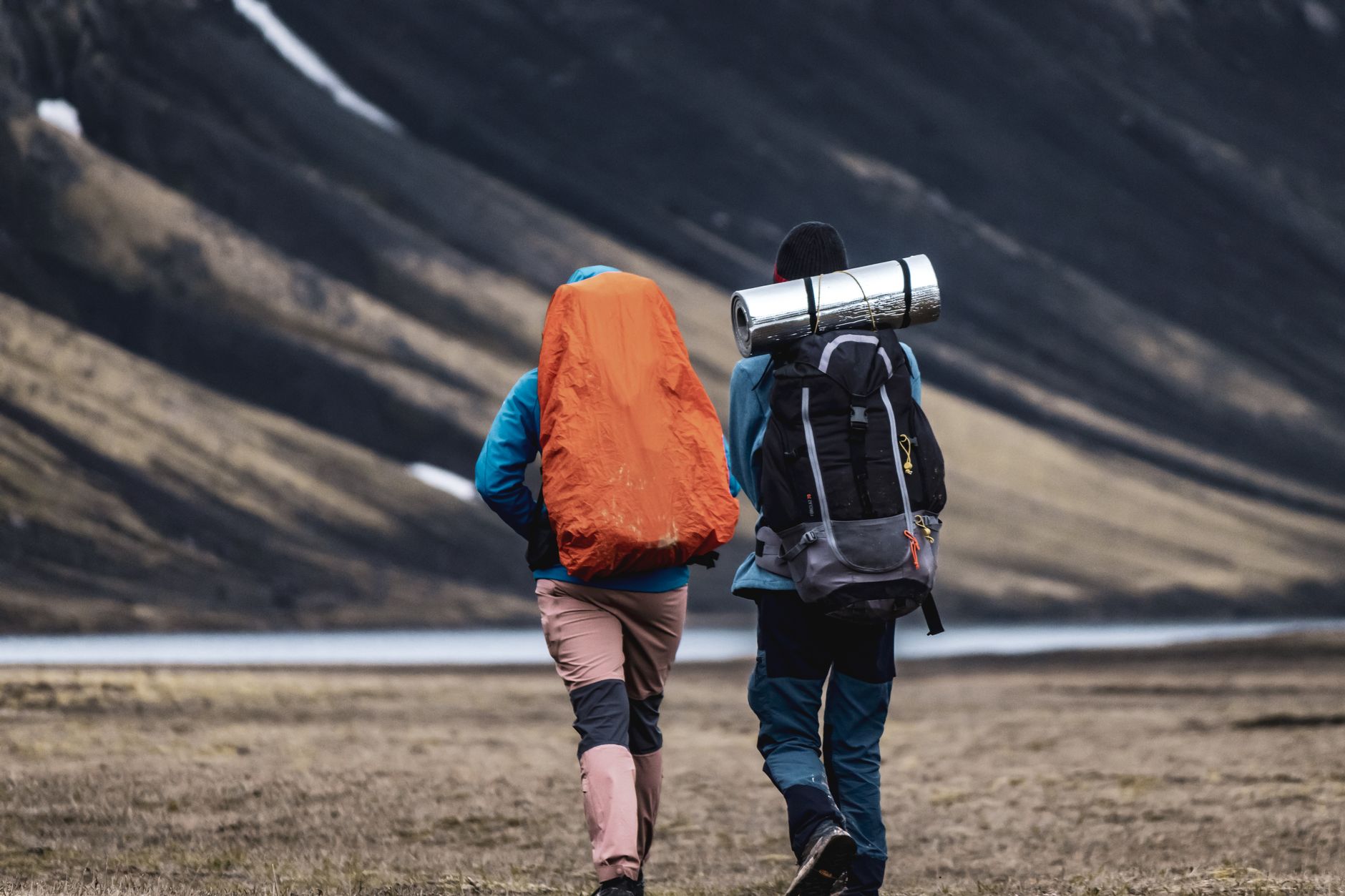
Your backpack is the foundation for carrying everything else successfully across terrain. Capacity ranges from day-hiking packs (20-30 liters) to expedition packs (60+ liters). Proper fit matters enormously—the pack should sit comfortably on your hips, not your shoulders, transferring weight to stronger leg muscles. Organized packing keeps items accessible and balances weight distribution for comfort. Durable outdoor gear with thoughtful organization systems makes multi-day expeditions significantly more enjoyable and safer.
Weather Preparedness and Contingency Planning
Wilderness weather changes unexpectedly despite forecasts. Bring rain gear even if clear skies are predicted. Emergency shelters like bivy sacks provide backup shelter when weather becomes severe. Understanding terrain and avoiding exposed ridges during lightning storms prevents dangerous situations. Knowledge of evacuation routes and communication options saves lives in emergencies. Never depend solely on weather forecasts—be prepared for conditions significantly worse than predicted.
Physical Conditioning and Skill Development
Quality gear matters less than physical fitness and wilderness skills. Build conditioning gradually before major expeditions. Practice setting up your tent multiple times before remote trips. Test all equipment on day hikes before committing to multi-day expeditions. Learn basic navigation, first aid, and wilderness skills that enhance both safety and enjoyment. Knowledge prevents panic-driven poor decisions when unexpected situations arise.
- Test all gear before major expeditions, never on the actual trip
- Waterproof bags protect electronics, documents, and emergency supplies effectively
- Proper boot break-in prevents blisters on long treks through varied terrain
- Lightweight cooking systems handle hot meals without excessive bulk or weight
- Repair kits keep essential gear functional during extended trips
Great adventures start with great preparation. Choosing quality adventure gear enables you to explore wild places confidently and safely.