


Building Community Through Puzzles: How This Timeless Activity Creates Lasting Connections
 by
agent
by
agent
In an age of increasing social isolation and screen-mediated interaction, puzzles have emerged as an unexpected community builder creating genuine human connection. Unlike many recreational activities that isolate participants, puzzles facilitate meaningful interaction through collaborative problem solving toward shared goals. Whether organized formally through clubs and events or occurring informally among family and friends, puzzle solving creates unique social experiences distinct from how most modern activities bring people together. The growth of puzzle communities worldwide reveals something profound about human needs for connection, shared purpose, and meaningful activity.
The Psychology of Collaborative Puzzle Solving
Social psychology research on puzzle solving reveals unique benefits from collaborative versus solo engagement. Groups working together on puzzles show enhanced enjoyment, improved outcomes, and stronger social bonding compared to individual solving. The non competitive nature of puzzle solving, where everyone seeks collective success rather than personal victory, removes the adversarial elements that complicate many group activities. This collaborative framework creates psychologically safe spaces where different abilities, backgrounds, and perspectives strengthen rather than complicate the experience.
The activity itself facilitates genuine conversation and connection in ways many social contexts don’t enable. The shared focus on the puzzle provides conversational anchor points. The opportunity to contribute meaningfully, regardless of skill level, creates inclusive participation. The extended timeframe of puzzle solving, unlike brief social interactions, develops genuine familiarity. Collaborative puzzle engagement creates community through shared activity and mutual purpose rather than forced socializing.
Family Bonding Through Puzzle Sessions
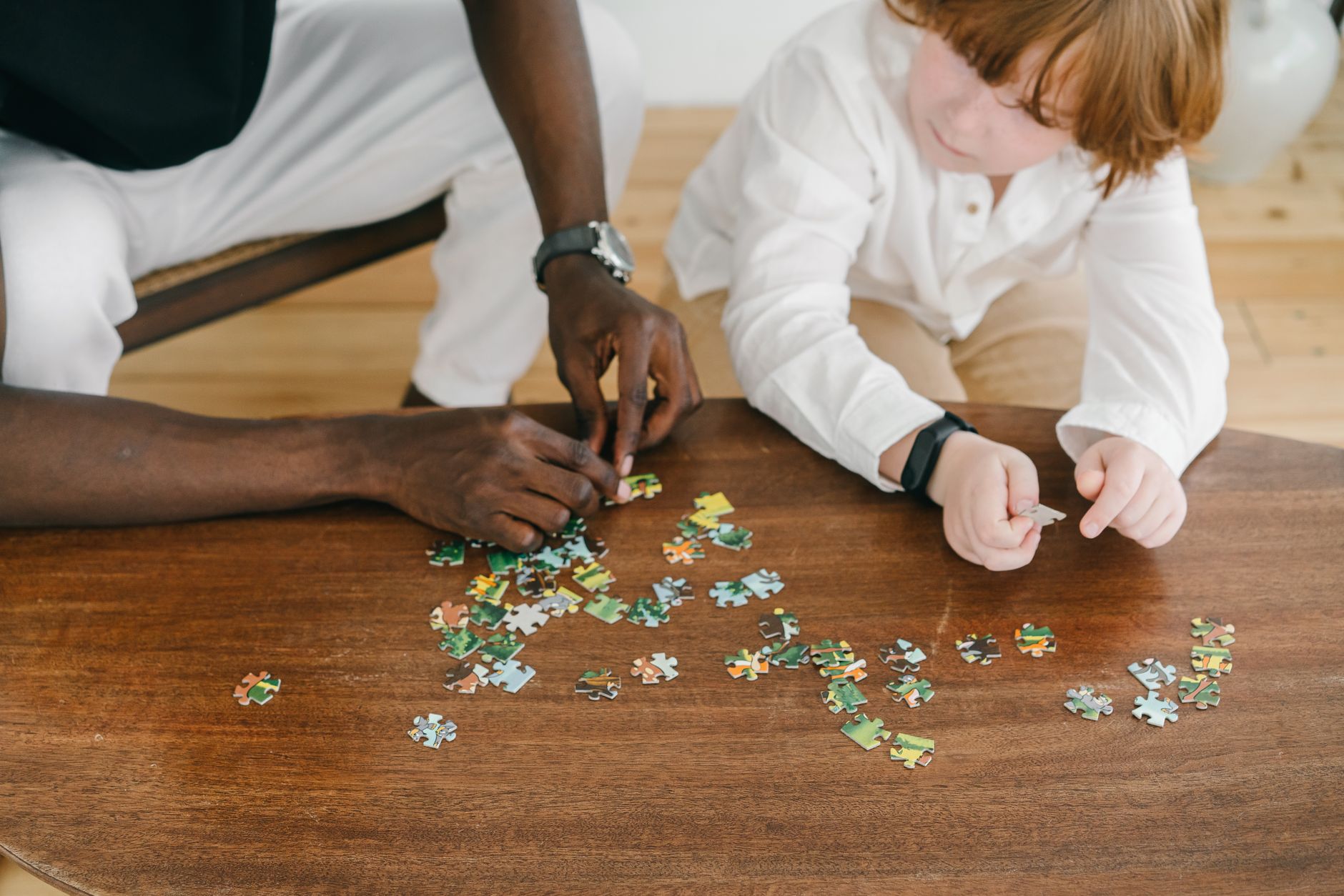
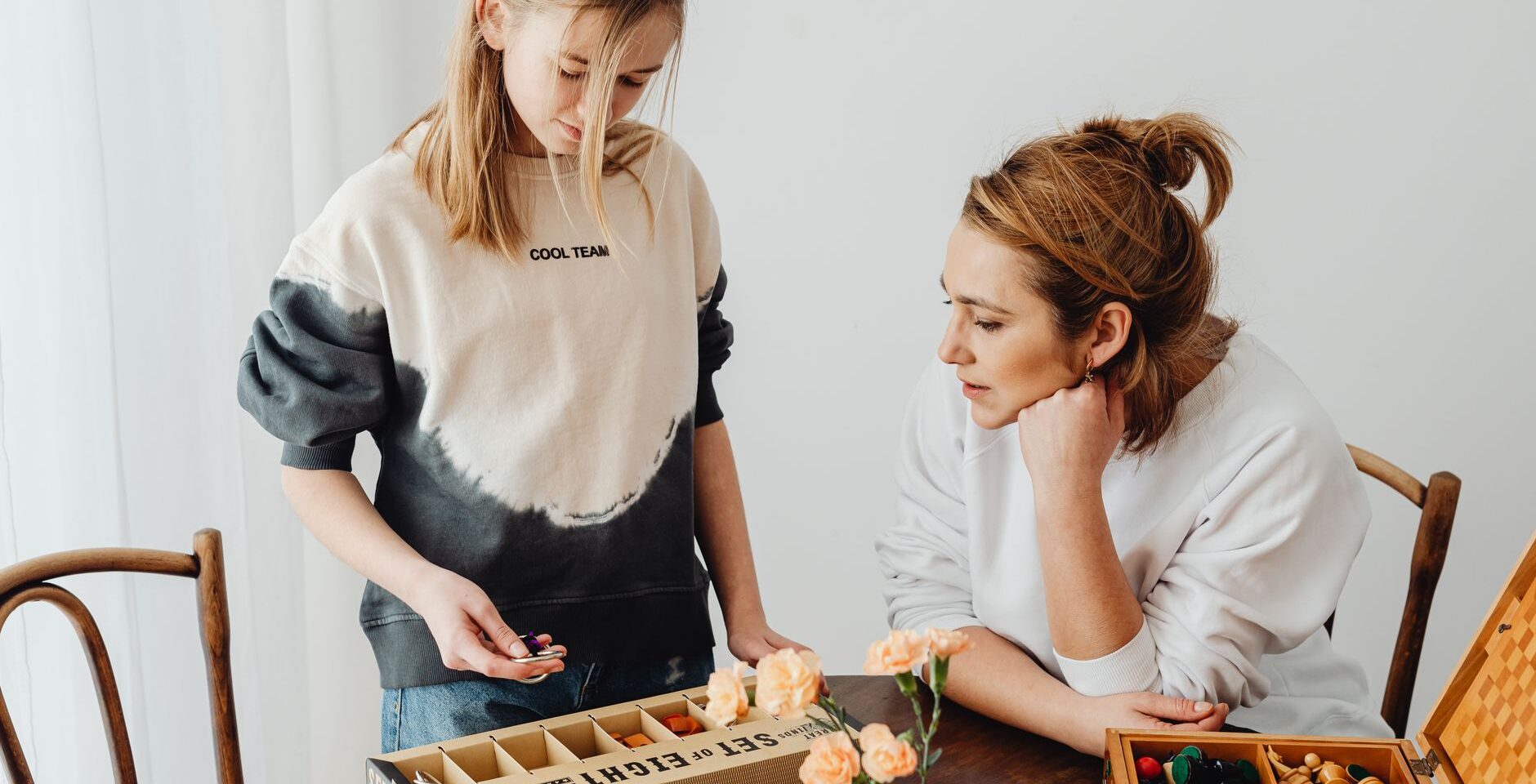
Families increasingly recognize puzzle time as their favorite bonding activity. Multi generational families discover that puzzles work across age ranges and ability levels in ways many other activities don’t. Grandparents, parents, and children all contribute meaningfully, creating valuable interactions that strengthen family bonds. Unlike screen-based family time or passive activities, puzzles demand active participation and interaction. Conversations flow naturally during puzzle sessions, enabling genuine family connection without forced interaction.
Parents report that puzzle time together creates their most positive interactions with children. The activity focuses external rather than on relationship dynamics, reducing the awkwardness some direct family interaction carries. Achievement and progress feel collaborative rather than competitive. These conditions create exceptional opportunities for family bonding and connection. Family puzzle events become cherished traditions and bonding experiences rather than mere entertainment.
Friendship Development and Maintenance
Friendships develop and deepen through shared activities involving genuine interaction and mutual contribution. Puzzle solving creates these conditions efficiently. Friends working together on puzzles enjoy extended time together, meaningful conversation, and collaborative achievement. Unlike passive activities like movie watching that don’t facilitate interaction, or competitive activities creating potential tension, puzzles enable positive interaction while accomplishing something together.
Longtime friends often credit puzzle sessions with strengthening their relationships through years of shared projects. New acquaintances find puzzle solving creates faster connection than traditional socializing. The activity provides something to do together, eliminating the awkwardness of pure socializing while still enabling genuine interaction. This combination makes puzzles exceptionally powerful friendship-building activities.
Community Puzzle Events and Social Connection
Growing numbers of communities have established puzzle clubs, puzzle cafes, and puzzle focused events creating deliberate social structures around this activity. These gatherings attract diverse participants, creating inclusive spaces where people of different ages, backgrounds, and abilities participate together. Unlike many social groups segregated by age, interest, or demographic characteristics, puzzle groups attract genuinely diverse participants united by shared activity rather than limiting demographics.
Puzzle cafes, where people gather in public spaces to work on shared puzzles while enjoying food and beverages, have proliferated globally. These hybrid social spaces, part community center and part entertainment venue, create accessible participation in social puzzling. Community puzzle engagement transforms puzzles from home activities into shared public experiences creating neighborhood connection.
Online Puzzle Communities Creating Global Connection
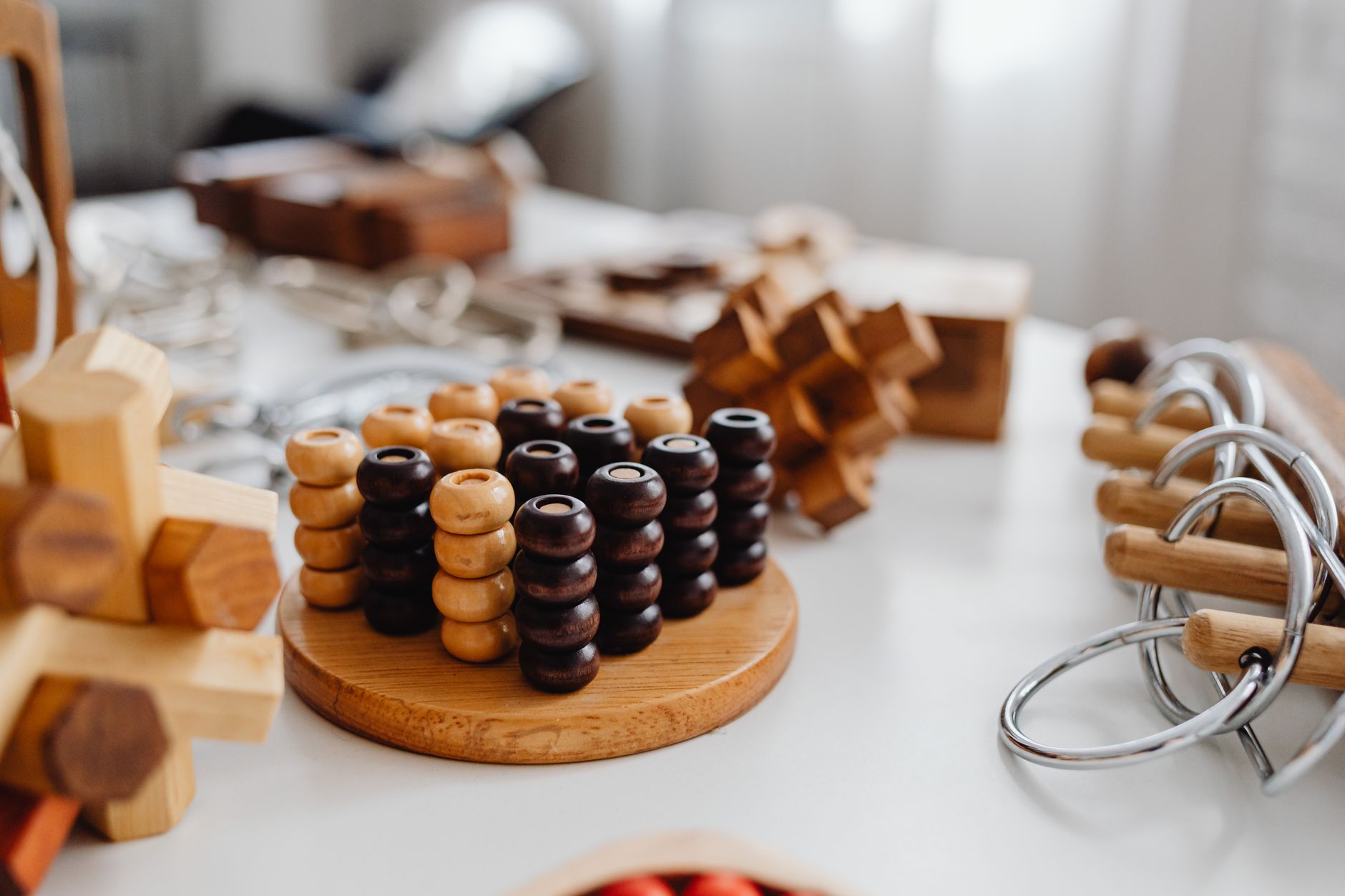
Digital technology, often blamed for increasing isolation, has paradoxically enabled global puzzle communities connecting enthusiasts worldwide. Online forums discuss puzzle strategies, reviews, and collecting. Virtual puzzle events allow people across continents to participate in shared challenges. Social media groups dedicated to puzzles connect millions of participants, creating community among people who would never meet geographically yet share genuine connection through common interests. These digital communities demonstrate that genuine connection transcends physical proximity when built around shared meaningful activity.
Online puzzle communities provide particular value for isolated individuals, rural populations, and those with mobility limitations. Participation from home enables connection and community for people who couldn’t access in person groups. Digital communities expand puzzle based connection beyond geographic constraints, enabling participants worldwide to develop friendships and community through shared activity.
Intergenerational Connection Through Puzzles
Puzzles uniquely facilitate intergenerational connection by eliminating the ability and knowledge hierarchies that complicate many activities. A child and grandparent can work together meaningfully on the same puzzle, each contributing according to their abilities without competition or status hierarchy. This egalitarian collaboration creates rare opportunities for generations to interact authentically and cooperatively. Older adults often report that puzzle time with younger family members represents their favorite intergenerational interaction.
Beyond families, community puzzle events create intergenerational mixing that contemporary society increasingly lacks. Retired individuals, working adults, teenagers, and children participating together in shared activity break down age segregation that characterizes much modern life. These intergenerational interactions benefit all participants through mutual learning and relationship development across generational divides.
Inclusive Participation Across Ability Ranges
Few activities genuinely accommodate diverse ability ranges without modification or creating separate experiences. Puzzles accomplish this naturally. Individuals with varying physical capabilities, visual abilities, cognitive skills, and experience levels can all participate meaningfully together. Someone with limited spatial reasoning contributes through color perception and pattern recognition. Someone with limited dexterity works on organization and strategy. This inclusive capability makes puzzles exceptional activities for mixed ability groups including families with disabled members, workplaces with diverse abilities, and community groups spanning capability ranges.
This inclusion creates belonging and meaningful participation for people often excluded from recreational activities. Accessible puzzle activities enable participation for virtually everyone, creating genuine community across ability differences.
Puzzle Collecting and Enthusiasm Communities
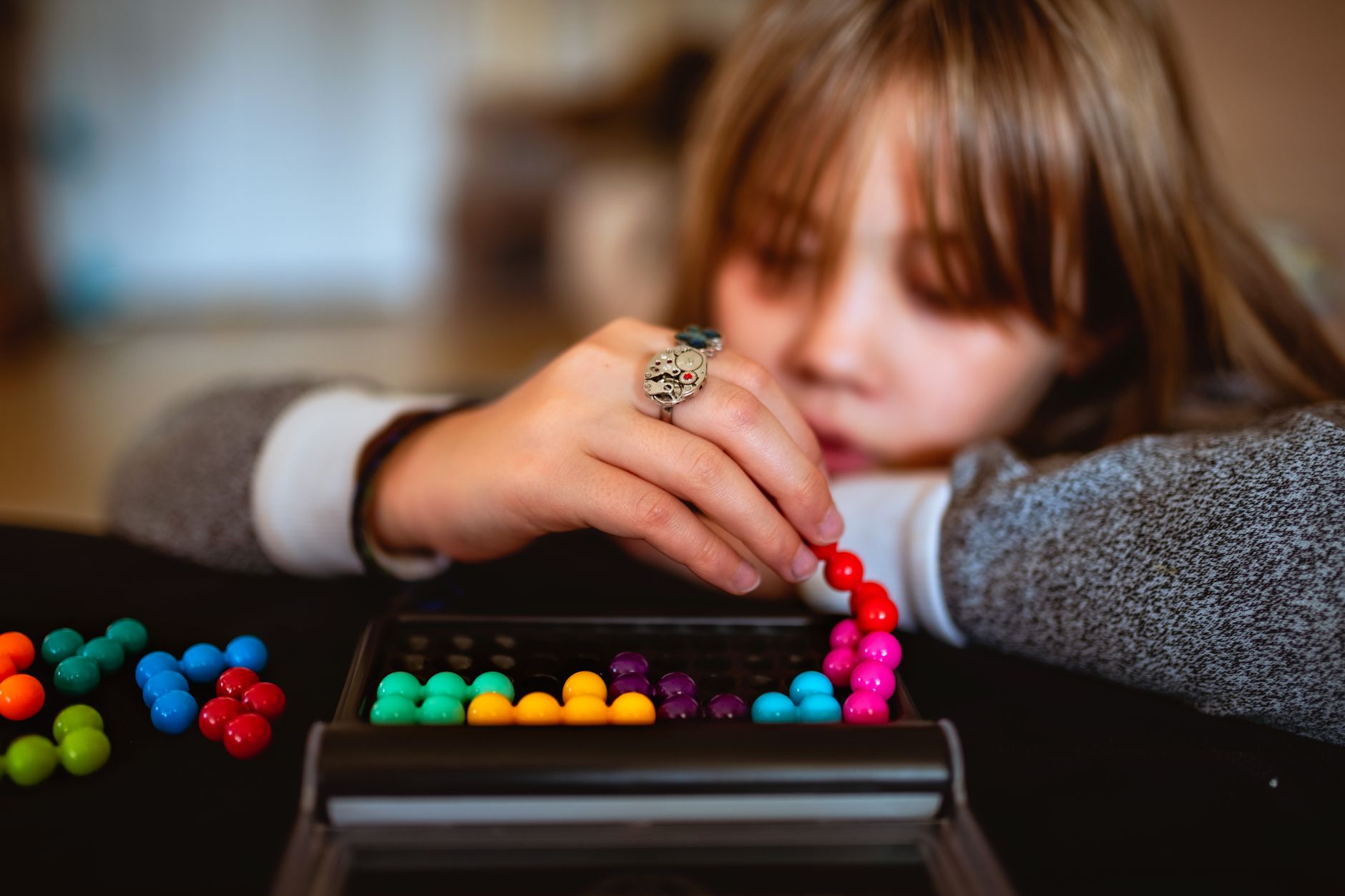
Beyond casual participation, dedicated puzzle enthusiasts form passionate communities around collecting and completing challenging puzzles. Annual puzzle competitions, museum exhibitions, and collecting subcultures create specialized communities around shared enthusiasm. These groups demonstrate the depth of connection possible around puzzles, transcending simple entertainment into lifestyle and identity. For participants, puzzle enthusiasm creates genuine community, meaningful friendships, and identity connection with fellow enthusiasts.
Creating Your Puzzle Community
Building puzzle community requires no formal structure or significant organization. Starting a casual weekly puzzle session with friends, inviting family to regular puzzle nights, or joining existing community groups all initiate puzzle based connection. Creating these spaces deliberately recognizes puzzles’ unique capacity for facilitating genuine human connection and community building. Whether formal or casual, in person or online, organizing around puzzle solving creates community while enjoying an enriching activity. In world increasingly characterized by isolation and screen mediation, puzzles offer genuine opportunities for meaningful connection and community, one piece at a time.