


Puzzle Therapy: How Brain Teasers Improve Focus, Creativity, and Mental Health
 by
agent
by
agent
In an era of constant digital stimulation and fragmented attention, the humble jigsaw puzzle has experienced a surprising renaissance. Far from being a nostalgic throwback or children’s activity, puzzles have emerged as a genuine therapeutic tool recognized by neurologists, psychologists, and mental health professionals. The research confirming puzzle benefits extends beyond anecdotal satisfaction to measurable improvements in cognitive function, stress reduction, and creative thinking. Understanding the science behind these benefits transforms puzzle solving from guilty pleasure into a justified investment in mental health and cognitive development.
The Neurological Basis of Puzzle Benefits
Solving puzzles engages multiple brain regions simultaneously, creating comprehensive cognitive workouts uncommon in everyday activities. Visual spatial processing activates the right hemisphere as you mentally manipulate and position pieces. Logical analysis and systematic problem-solving engage the left hemisphere. The prefrontal cortex coordinates these processes while your neural reward centers release dopamine with each successful placement. This multi-system engagement explains why puzzle solving feels satisfying while delivering genuine cognitive benefits.
Neuroimaging studies show that puzzle solving activates similar brain regions as learning new languages or mathematical problem-solving. Regular puzzle engagement strengthens neural connections within and between these regions, improving cognitive reserve. This strengthening proves particularly valuable for aging brains, as cognitive reserve protects against age-related decline. Research on puzzle engagement shows that active puzzle solvers maintain better cognitive function into later years compared to those who don’t engage in similar mentally demanding activities. Regular puzzle engagement functions as preventative cognitive medicine.
Focus and Attention Development
Modern environments constantly fragment attention, making sustained focus increasingly rare and valuable. Puzzle solving requires maintaining focus on a single task over extended periods, exercising and strengthening attentional capacity. Unlike scrolling social media or watching streaming content, puzzles demand active concentration without passive engagement options. Your attention either focuses on the puzzle or drifts; the activity itself prevents distraction adaptation.
This focused practice translates directly to improved attention in other contexts. Students who engage regularly in puzzle solving show improved classroom focus and academic performance. Professionals report enhanced work concentration and productivity. Parents observe improved focus in children who puzzle regularly. These improvements develop from exercising attention capacity rather than any puzzle-specific skills transferring to other contexts. The mental discipline developed through focused puzzle solving strengthens willpower and attention capability generally.
Creative Problem-Solving Development
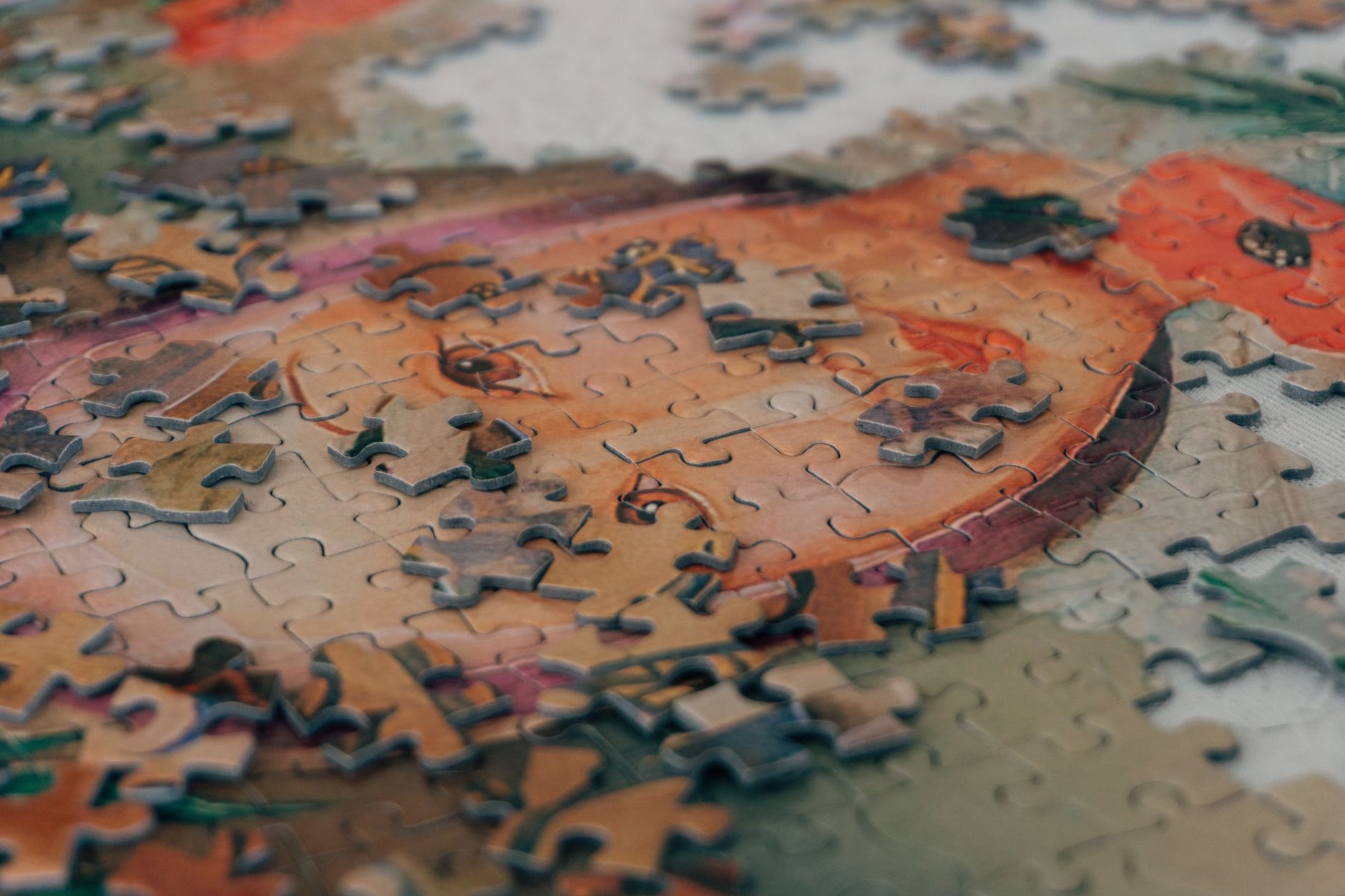
Puzzles teach problem-solving through direct experience rather than abstract instruction. You must identify patterns, make hypotheses, test assumptions, and adjust strategies based on results. This iterative process mirrors scientific method and creative thinking processes. Puzzle solving trains brains to think creatively about problems and maintain flexibility when initial approaches prove unsuccessful. These thinking patterns develop through practice and transfer to non-puzzle problem-solving.
The creative thinking developed through puzzles extends beyond logic to genuine creativity. Individuals report enhanced creative thinking in their professional and personal work after engaging regularly in puzzle solving. Architects, designers, and artists often credit puzzles with developing visual-spatial thinking and creative problem-solving capabilities. The flexibility of thinking required by puzzles, combined with the reward system engagement, creates genuine creativity enhancement rather than merely logical thinking.
Stress Reduction and Mindfulness
Puzzle solving induces a meditative state psychologists call flow, where consciousness narrows to focus exclusively on the immediate task. During flow states, the default mode network responsible for self-referential thinking and worry quiets dramatically. Brain regions associated with anxiety and rumination show reduced activity. This neurological state resembles meditation without requiring meditation practice’s initial discipline and difficulty. Many people find puzzles more accessible than meditation for achieving stress-reducing mental states.
The repetitive, structured nature of puzzle solving activates the parasympathetic nervous system, responsible for relaxation responses. This activation reduces cortisol levels and physical stress markers. People engage in puzzle solving report feeling genuinely calmer, more relaxed, and subjectively less stressed. Therapeutic puzzle engagement provides clinically meaningful stress reduction without the costs or side effects of pharmaceutical interventions.
Social Connection and Community
While puzzles can be wonderfully solitary, their social potential deserves recognition. Group puzzle solving facilitates genuine connection in ways many social activities don’t. Without competitive pressure or judgment, people work collaboratively toward shared goals. Conversations flow naturally alongside physical activity, reducing the intensity of direct eye contact that makes some social interaction uncomfortable. Families report strengthened bonds through puzzle sessions; friendships deepen through collaborative problem-solving experiences.
The growth of puzzle communities online and in person speaks to humans’ desire for connection and shared activity. Puzzle clubs, community puzzle events, and online puzzle challenges create genuine community around this shared activity. These communities attract diverse participants, creating inclusive spaces where people of different ages, backgrounds, and abilities work together toward common goals.
Developmental Benefits for Children and Adolescents
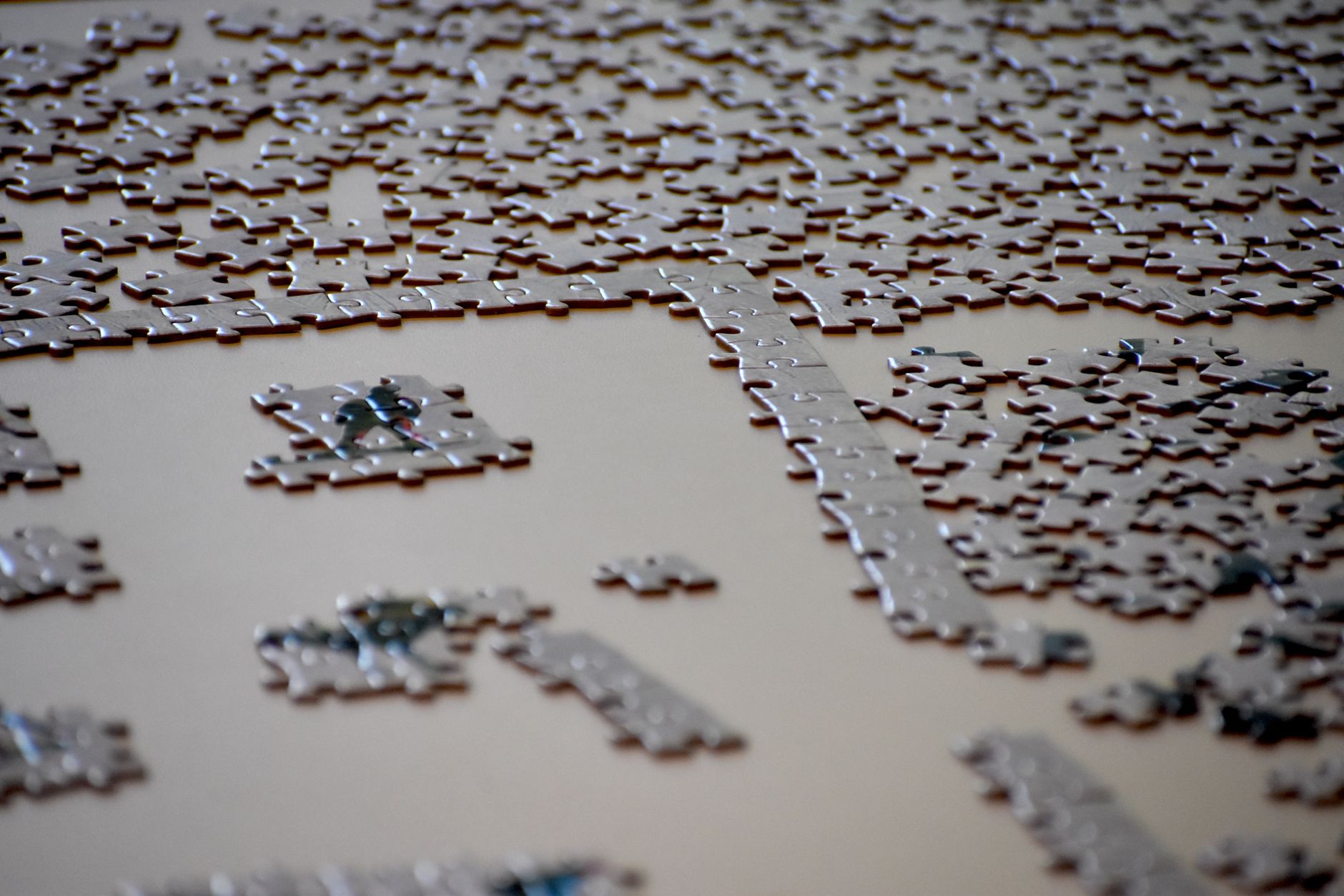
Children who engage regularly with puzzles develop superior spatial reasoning, pattern recognition, and problem solving capabilities. These cognitive skills predict academic success, particularly in mathematics and science. Beyond academics, puzzle engagement builds persistence, patience, and tolerance for delayed gratification. Children learn that difficult problems have solutions requiring sustained effort. These psychological strengths support success across life domains beyond puzzle solving.
Adolescents benefit from puzzles as healthy engagement reducing screen time while developing cognitive capabilities. The intrinsic reward system that delivers satisfaction from puzzle completion develops healthy dopamine responses distinct from the problematic patterns stimulated by social media and gaming. Adolescents who engage regularly with puzzles report better mental health outcomes and reduced anxiety compared to those spending equivalent time with screens.
Cognitive Aging and Neuroplasticity
The adult brain maintains remarkable neuroplasticity, the capacity to form new neural connections and reorganize existing networks. Puzzle solving harnesses neuroplasticity through engaged, demanding cognitive work. Regular puzzle engagement throughout adulthood maintains cognitive flexibility and delays age related cognitive decline. Individuals who engage consistently with cognitively demanding activities maintain sharper minds into later life compared to those who don’t.
Particularly for older adults, puzzle engagement provides accessible cognitive exercise maintaining mental acuity and independence. Unlike physical exercise with injury risks, puzzles pose minimal physical danger while providing maximum cognitive benefit. Many retirement communities and senior centers have recognized these benefits, offering puzzle activities as core programming. Lifelong puzzle engagement supports cognitive health across the entire lifespan.
Integration into Daily Life for Maximum Benefit
To realize these benefits, consistency matters more than intensity. Regular puzzle engagement of 30 minutes daily provides greater cognitive benefit than occasional marathon sessions. The goal is establishing puzzle solving as regular practice, like exercise, rather than sporadic entertainment. For those seeking specific benefits, different puzzle types offer distinct advantages. Jigsaw puzzles emphasize visual-spatial thinking; logic puzzles emphasize analytical thinking; word puzzles emphasize verbal skills and pattern recognition.
Variety in puzzle types and difficulty levels maintains engagement while developing diverse cognitive capabilities. Progress tracking and increasing difficulty prevent cognitive adaptation that reduces benefits from repetitive same difficulty engagement. Rather than completing identical puzzles repeatedly, advancing through increasingly challenging options maintains cognitive engagement and continued development.
The science supporting puzzle benefits continues expanding, with researchers discovering new advantages as studies progress. Yet ancient wisdom already recognized puzzles as valuable mental activity, explaining their cultural persistence across millennia. Whether motivated by modern neuroscience or simple enjoyment, engaging with puzzles consistently provides genuine mental health benefits and cognitive development, transforming this timeless activity into justified practice for anyone seeking to maintain mental sharpness, reduce stress, and develop creative thinking capabilities.