


The Art of Puzzle Mastery: Why Jigsaw Puzzles Build Stronger Minds
 by
agent
by
agent
Jigsaw puzzles have captivated minds for centuries, and there’s compelling science behind why millions of people worldwide spend hours piecing together thousands of small cardboard fragments. Far from being a simple pastime, solving puzzles offers profound cognitive benefits that extend well beyond the entertainment value. Whether you’re a seasoned puzzle enthusiast or someone considering taking up the hobby, understanding the mental and emotional rewards can transform how you view this timeless activity.
The Cognitive Benefits of Regular Puzzle Solving
When you sit down with a jigsaw puzzle, you’re engaging multiple areas of your brain simultaneously. The activity requires visual spatial reasoning as you mentally rotate and position pieces, problem solving skills as you identify where each segment belongs, and pattern recognition as you sort through hundreds of similar looking components. Research consistently shows that regular puzzle solving strengthens neural pathways, potentially reducing cognitive decline as we age. A study published in the International Journal of Geriatric Psychiatry found that people who engage regularly in cognitively stimulating activities like puzzles show slower rates of cognitive decline compared to those who don’t.
The left hemisphere of your brain handles the logical, analytical aspects of puzzle solving recognizing edges, categorizing by color, and working systematically through sections. Meanwhile, your right hemisphere engages in creative spatial visualization and intuitive leaps. This bilateral brain activation makes puzzle solving one of the most comprehensive cognitive workouts available, comparable to complex mathematical problems or strategic games yet accessible to people of all ages and abilities.
Building Patience and Developing Focus
In our hyperconnected world of instant gratification and constant digital distractions, the deliberate, meditative pace of puzzle solving offers a refreshing counterbalance. Completing even a modest puzzle requires sustained attention over hours or days, teaching your mind to focus on a single goal without interruption. This practice in maintaining concentration translates directly to improved performance in work and study, where sustained focus is increasingly valuable.
The patience developed through puzzle solving is particularly valuable for younger minds. Children who work on puzzles regularly demonstrate improved attention spans, better classroom focus, and greater persistence when facing challenging academic problems. Parents and educators recognize that the skills honed during puzzle time perseverance, methodical thinking, and the ability to work through frustration are life skills that serve students throughout their education and careers.
Stress Relief and Emotional Well-Being
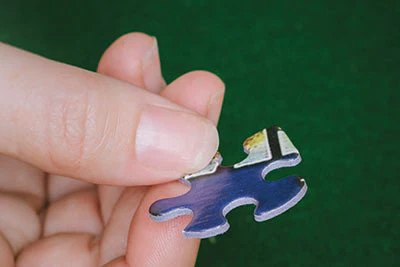
Beyond the cognitive benefits, puzzles offer genuine emotional comfort. The repetitive, structured nature of puzzle solving activates the relaxation response in your nervous system, lowering cortisol levels and promoting a sense of calm. Unlike scrolling through social media, which often amplifies anxiety, working on a puzzle provides a healthful escape where your mind remains engaged yet peaceful. This combination of mental stimulation without stress makes puzzle solving an ideal activity for unwinding after demanding days.
Therapists increasingly recommend puzzle solving as a complementary activity for managing anxiety and depression. The sense of incremental progress placing piece after piece, watching the image gradually materialize provides tangible evidence of accomplishment and forward momentum. This is particularly valuable during challenging periods when other areas of life may feel uncertain or overwhelming.
Social Connection and Shared Achievement
While puzzles can be wonderfully solitary pursuits, they’re equally powerful as social activities. Families gathering around a puzzle table, friends working collaboratively on a challenging image, or community groups organizing puzzle solving events all benefit from the unique way puzzles facilitate connection. Unlike competitive games that create winners and losers, puzzles invite collaboration toward a shared goal.
These social puzzle sessions create opportunities for genuine conversation and bonding. Without the pressure of eye contact or the need to maintain constant engagement, people often find it easier to open up and connect. Parents report that family puzzle time has become their favorite bonding activity, and many long term friendships have been deepened over hours spent sorting and placing pieces together.
Choosing the Right Puzzle for Your Experience Level
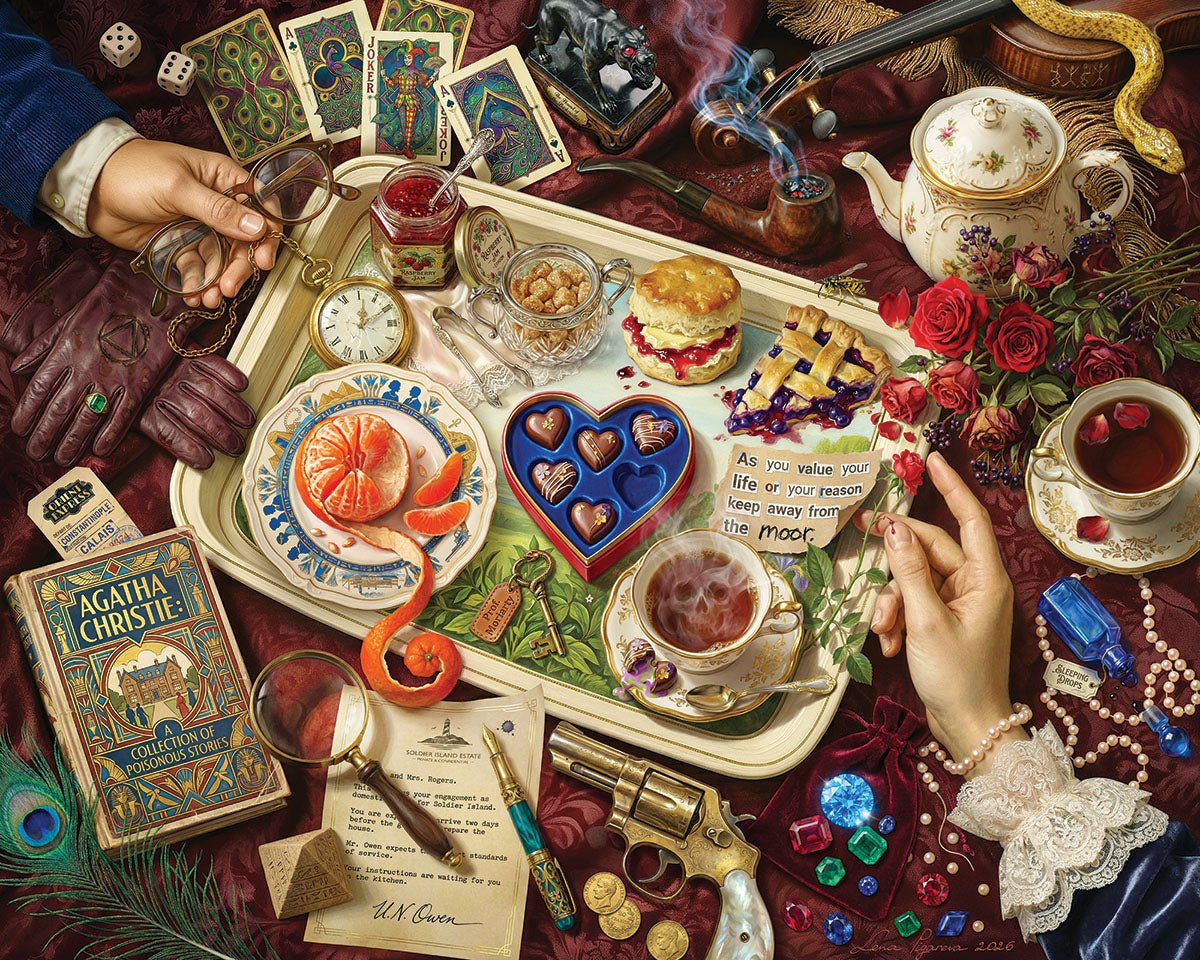
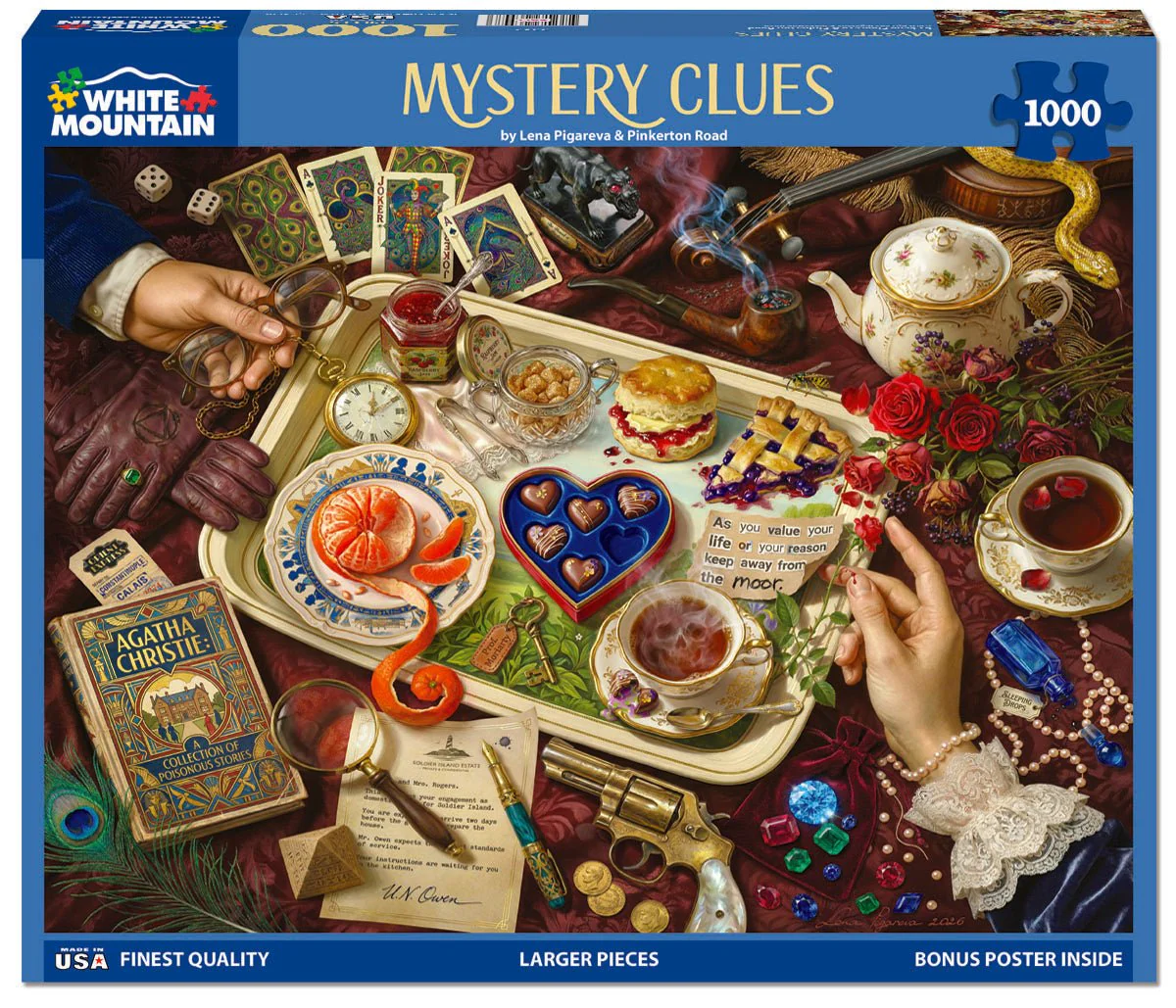
Not all puzzles are created equal, and selecting the right challenge level is crucial for maintaining engagement and motivation. Beginners typically find 300 to 500 piece puzzles most satisfying, offering enough complexity to be engaging without inducing frustration. Quality puzzle collections offer beautifully designed images across difficulty levels, ensuring you can find something that matches your current skill and mood.
Intermediate solvers usually gravitate toward 750 to 1000 piece puzzles, while dedicated enthusiasts tackle 2000-piece challenges and beyond. Many experienced puzzlers enjoy varying their difficulty levels, choosing simpler puzzles for relaxation and complex ones for mental challenge. The variety available means you can always find something appropriate for your circumstances a quick puzzle for a lazy weekend or an ambitious project to work on throughout the month.
Building a Lifetime Hobby and Community

Puzzle solving isn’t merely a childhood activity or a retirement pastime it’s a hobby that enriches life at any stage. People who embrace puzzles often become part of a vibrant global community of enthusiasts. Online forums, local puzzle clubs, and annual puzzle conventions connect thousands of people who share this passion. This community aspect transforms puzzle solving from a solitary activity into a social phenomenon with genuine friendships and lasting connections.
The hobby offers endless possibilities for growth and exploration. You might specialize in particular artists’ works, collect puzzles featuring specific themes, or challenge yourself with increasingly ambitious pieces. Each puzzle completed represents not just entertainment but an investment in your cognitive health, emotional well being, and meaningful human connection. Whether you’re drawn to puzzles for the mental challenge, the meditative calm, or the social connection, these timeless creations continue to offer profound rewards for anyone willing to sit down and place one piece at a time.