

Digital Entertainment Innovation through ABBA Voyage
 by
Mila Rossi
by
Mila Rossi
Entertainment has undergone revolutionary transformation through digital innovation. Traditional models of live performance, recorded media, and touring artists faced disruption when technology offered alternatives. However, rather than replacing human artistry, digital innovation enhances entertainment possibilities. The most successful contemporary entertainment combines digital technology with human creativity, physical presence, and emotional connection. Understanding how innovation serves entertainment without overwhelming artistry illuminates future possibilities for this evolving field.
Technological possibilities often outpace wisdom in deploying them. Early digital entertainment experiments sometimes prioritized innovation over artistic merit, resulting in impressive spectacle serving no meaningful purpose. Modern entertainment leaders recognize that technology’s value lies in enabling artistic visions impossible through traditional means. This philosophy drives truly innovative entertainment products that both amaze and move audiences. Digital innovation without artistic purpose creates interesting technical demonstrations rather than memorable experiences.
Virtual Performance and Avatar Technology
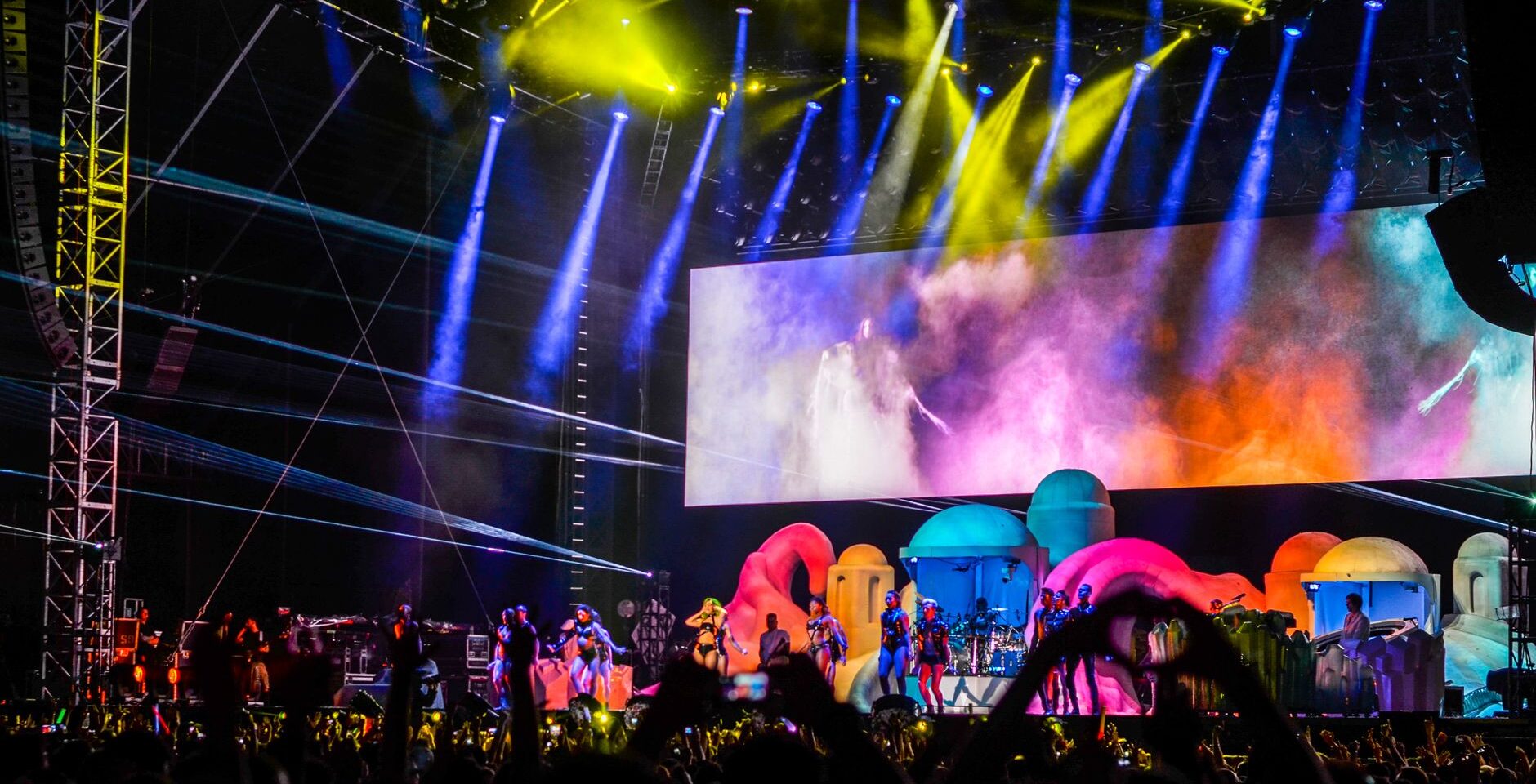
Digital innovation enables performances by artists unable or unwilling to tour physically. Holographic technology projects performers onto physical stages. Avatar-based performances allow artistic expression unconstrained by performer physical presence. These innovations opened possibilities previously unimaginable. ABBA Voyage pioneered bringing beloved artists back through digital innovation. This technology raises interesting questions about authenticity while creating experiences audiences genuinely value and enjoy.
Avatar-based performance paradoxically creates intimacy through digital mediation. Audiences attending ABBA Voyage experiences report emotional connection rivaling or exceeding traditional concert attendance. The freshness of seeing beloved artists in new context, the technical achievement making them feel present, and spectacular production create powerful experiences. This suggests that audiences value artistic expression and emotional resonance more than traditional definitions of authenticity. Digital innovation enabling new forms of artistic expression represents genuine advance rather than mere technology application.
Blending Virtual and Physical Realities
The most innovative contemporary entertainment intentionally blurs boundaries between virtual and physical spaces. Augmented reality applications allow audiences to participate in performances through phones. Mixed reality experiences combine digital and physical performers in unified spaces. Virtual sets enhanced through projection create surreal environments impossible in purely physical spaces. These hybrid approaches leverage advantages of both physical and digital media rather than treating them as competitors.
This blending creates engagement depth. Audiences participating through AR applications become active participants rather than passive observers. Interactive elements responding to audience input create sense of agency. Virtual elements responding to live performer actions create dynamic interaction between performers and digital components. These innovations appeal particularly to younger audiences expecting interactivity from entertainment. However, poorly executed interactive elements feel gimmicky. The most successful approaches integrate interaction seamlessly supporting primary artistic vision.
Personalization and Algorithm-Driven Experience

Digital platforms enable personalized entertainment experiences impossible in traditional broadcasting. Streaming services recommend content matching viewer preferences. Interactive narratives allow choices affecting story progression. Gaming elements in entertainment engage different behavioral motivations. These personalization possibilities require careful implementation. Overly algorithmic approaches create echo chambers reinforcing limited perspectives. Successful innovation balances personalization with exposure to novel content broadening horizons. ABBA Voyage maintains consistent artistic vision while personalizing technical elements for different audience members.
Algorithm-driven personalization raises important questions about artistic curation. Should audiences always see what algorithms predict they’ll enjoy, or does exposure to unexpected content enrich experience? Traditional curators selected programming expanding audiences’ perspectives. Modern algorithms optimize for engagement potentially narrowing exposure. The most innovative entertainment companies experiment with balancing recommendation algorithms with artistic curation, providing personalization while maintaining artistic leadership.
Content Creation Democratization
Digital tools enable aspiring artists creating professional-quality content without traditional gatekeepers. Video editing software, music production tools, and distribution platforms changed entertainment landscape fundamentally. This democratization created opportunities while flooding markets with mediocre content. Audiences now navigate abundance of choices overwhelming traditional quality signals. Success requires combination of technical skill, artistic talent, and strategic promotion. Digital innovation simultaneously democratizes opportunity and increases competitive intensity.
This democratization proved genuinely liberating for underrepresented creators previously excluded by gatekeeping. Artists from marginalized communities, developing regions, and nontraditional backgrounds found platforms sharing their work. Some emerged as major cultural figures. This cultural enrichment justifies celebrating democratization’s positive effects. However, discoverability challenges mean talent alone no longer guarantees audience. Navigation skills and promotional understanding became necessary success elements alongside artistic ability.
Immersive Storytelling and Narrative Innovation

Digital technology enables storytelling impossible through traditional media. Interactive narratives where viewer choices affect story progression create agency. Transmedia storytelling weaving narratives across platforms deepens engagement. Spatial storytelling in virtual environments creates presence impossible in traditional theater or film. These innovations appeal to audiences seeking deeper engagement than passive consumption. However, they require audiences embracing interactivity and technical sophistication.
Narrative innovation isn’t inherently superior to traditional storytelling. Some stories demand passive reception for emotional impact. Complex interactive narratives sometimes undermine narrative clarity prioritizing choice mechanics. Successful digital entertainment balances innovation with narrative focus. Interactivity serves story rather than vice versa. The most acclaimed digital narratives combine traditional storytelling strengths with innovative possibilities creating experiences transcending pure innovation or conventional approaches.
Live Streaming and Remote Participation
Live streaming democratized entertainment access. Audiences unable attending physical events participated remotely. Performance revenue diversified through simultaneous streamed performances. Artists reached global audiences instantly. However, remote participation differs fundamentally from live presence. Screen-mediated experiences miss physical energy, sensory immersion, and community aspects of live events. The pandemic demonstrated both live streaming’s value and its limitations. Audiences craved in-person events partly because digital mediation cannot fully replace physical presence.
Hybrid entertainment models combining physical and remote participation emerged. Some venues designed for simultaneous in-person and streamed experiences. Production teams captured performances for remote audiences while maintaining energy for physical attendees. These hybrid approaches remain imperfect but reflect evolving entertainment landscape. Future entertainment likely continues integrating physical and digital elements. Those successfully blending both will lead entertainment innovation. ABBA Voyage exemplifies this integration, creating powerful experience partly through digital elements while maintaining physical presence importance.
Sustainability and Ethical Innovation
Digital entertainment innovation intersects with sustainability concerns. Server farms powering streaming services consume enormous energy. Production waste from physical entertainment creates environmental costs. Ethical innovation considers these impacts. Some companies prioritize sustainability in digital infrastructure. Others offset carbon footprints from touring and production. Audiences increasingly value ethically responsible entertainment. This concern drives innovation toward sustainability without sacrificing experience quality.
Digital entertainment’s future depends on balancing innovation, artistry, and ethics. Technology enabling new creative possibilities remains exciting. However, genuine progress requires serving human experience and environmental responsibility alongside technical advancement. ABBA Voyage demonstrates that audiences value innovation enhancing entertainment without pure technology spectacle. This balance, combining human artistry, technical excellence, and emotional resonance, represents digital entertainment innovation at its best. Supporting artists and companies pioneering these approaches encourages continued advancement toward entertainment futures benefiting audiences and artists alike.