




Energy-Efficient Lighting Solutions: Saving Money While Brightening Your Home

Rising energy costs drive homeowners to seek ways reducing household expenses without sacrificing comfort or functionality. Lighting accounts for meaningful portions of residential electricity consumption, making it an obvious area for cost reduction through smart choices. Modern energy-efficient lighting technology eliminates the previous necessity of choosing between bright illumination and financial responsibility. Lamp and Light provides selections of energy-efficient fixtures and bulbs enabling substantial savings while maintaining beautiful, functional lighting throughout your home. Understanding how efficient lighting technologies work reveals genuine cost-reduction opportunities without compromises on quality or comfort.
Comparing LED, CFL, and Incandescent Technology
Incandescent bulbs waste approximately 90 percent of energy as heat rather than light, making them the least efficient lighting technology available. Compact fluorescent lamps (CFLs) improve efficiency significantly, consuming 75 percent less energy than incandescent while lasting substantially longer. Light-emitting diodes (LEDs) represent the most advanced technology, consuming 75 to 80 percent less energy than incandescent bulbs while lasting decades rather than months. Lamp and Light specializes in LED selections providing superior efficiency alongside modern color rendering and dimming capabilities unavailable with older technologies.
Early LED technology suffered from poor color rendering and harsh light quality, creating justified reluctance toward adoption. Modern LEDs offer warm color temperatures identical to incandescent preferences alongside cool tones for task lighting. High-quality LEDs provide superior color rendering index enabling accurate color perception. Dimming compatibility now comes standard rather than requiring expensive specialized versions. These improvements eliminate previous objections to LED adoption, making them optimal choices for nearly all applications.
Calculating True Cost Savings Beyond Sticker Price
LED bulbs cost more initially than incandescent alternatives, creating perception that efficiency upgrades demand expensive investment. However, total cost analysis considering energy consumption and longevity reveals dramatic savings. An LED bulb costing fifteen dollars lasting 25,000 hours costs far less than incandescent bulbs requiring replacement every 1,000 hours. Energy savings from LED operation offset purchase price premium within months in most households. Lamp and Light helps you understand cost relationships enabling informed decisions recognizing that cheapest purchase price often means most expensive overall cost.
Calculating annual savings reveals compelling financial justification. A household using 40 incandescent bulbs consuming 60 watts each for 5 hours daily spends approximately 460 dollars annually on electricity. Replacing with LED equivalents consuming 9 watts reduces consumption to 69 dollars annually, saving nearly 400 dollars yearly. Over LED lifespan, savings accumulate to thousands of dollars alongside environmental benefits from reduced energy consumption.
Understanding Lumens, Watts, and Light Output
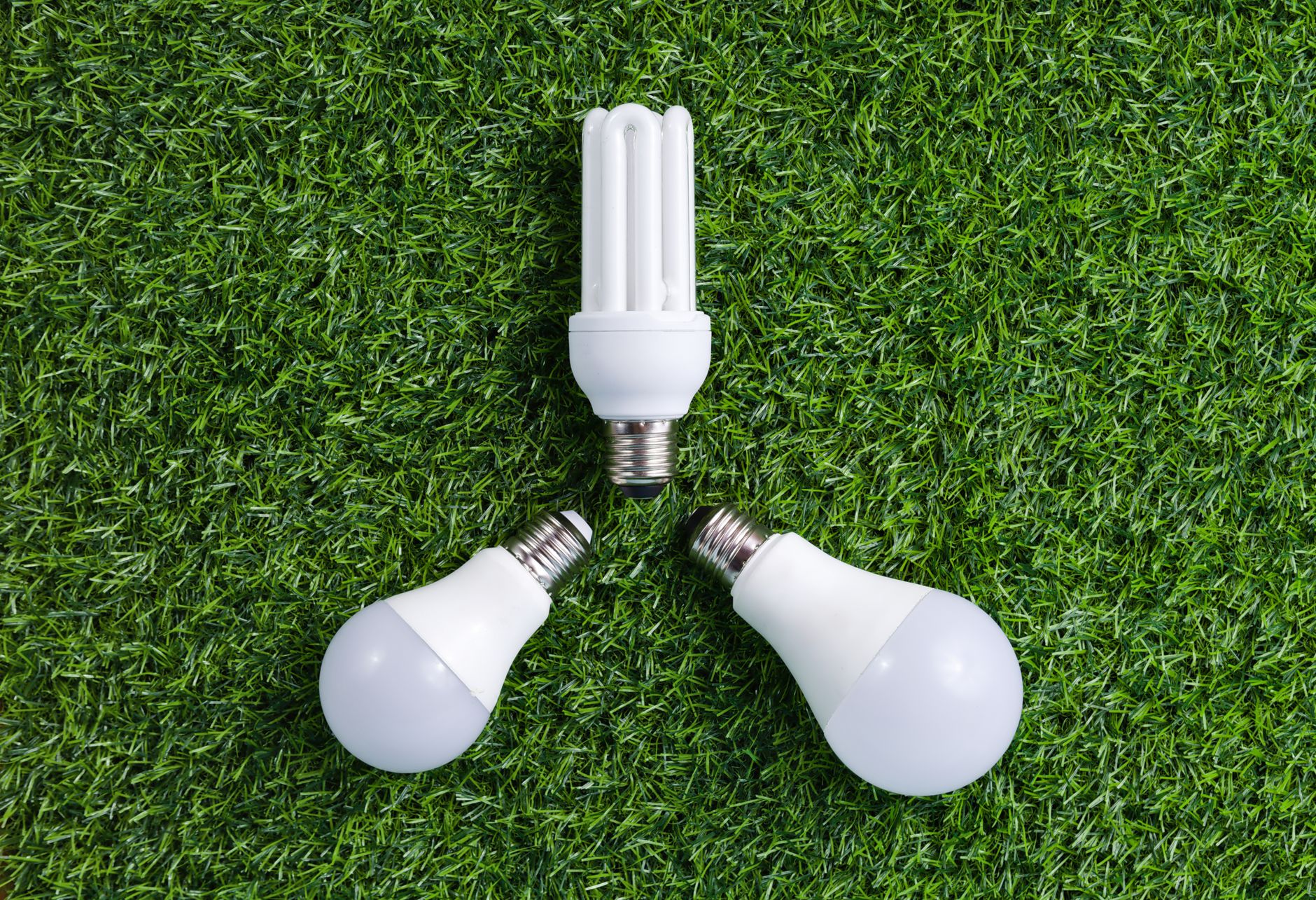
Consumers traditionally selected bulbs by wattage, assuming higher watts meant brighter light. Modern efficiency changes this relationship. An LED bulb consuming 9 watts produces brightness equivalent to 60-watt incandescent. Understanding lumens, the actual light output measurement, enables accurate brightness comparisons. A 60-watt incandescent produces approximately 800 lumens. Finding the 800-lumen LED replacement ensures matching brightness regardless of wattage. Lamp and Light”>Lamp and Light provides lumens specifications and guidance enabling confident brightness matching during transitions.
This understanding prevents installing fixtures that feel either too dim or unnecessarily bright. Bedroom reading lamps need 300 to 500 lumens providing adequate light for comfortable reading. Task lighting in kitchens benefits from 1000 to 2000 lumens supporting detailed work. Outdoor lighting needs vary based on security and ambiance goals. Matching lumens to actual needs prevents unnecessary energy consumption while ensuring adequate illumination.
Smart Lighting Systems for Automated Efficiency
Smart lighting systems add another efficiency dimension through automated control optimizing consumption patterns. Motion sensors in infrequently used spaces like hallways and bathrooms eliminate lighting rooms when nobody occupies them. Scheduling systems automatically reduce evening lighting supporting natural sleep rhythms. Daylight sensors reduce artificial lighting during bright sunny hours. Lamp and Light”>Lamp and Light offers smart options enabling passive efficiency gains beyond bulb technology alone.
Smart systems provide convenience alongside efficiency. Smartphone apps enable controlling lights remotely, preventing wasteful operation when inhabitants forget to turn off before leaving home. Voice control integration enables commanding lights without physical switches. Scheduling supports morning wakeup lighting gradually brightening and evening dimming supporting sleep. These conveniences amplify efficiency benefits through behavioral changes combined with technological improvements.
Transitioning from Incandescent to LED Systematically
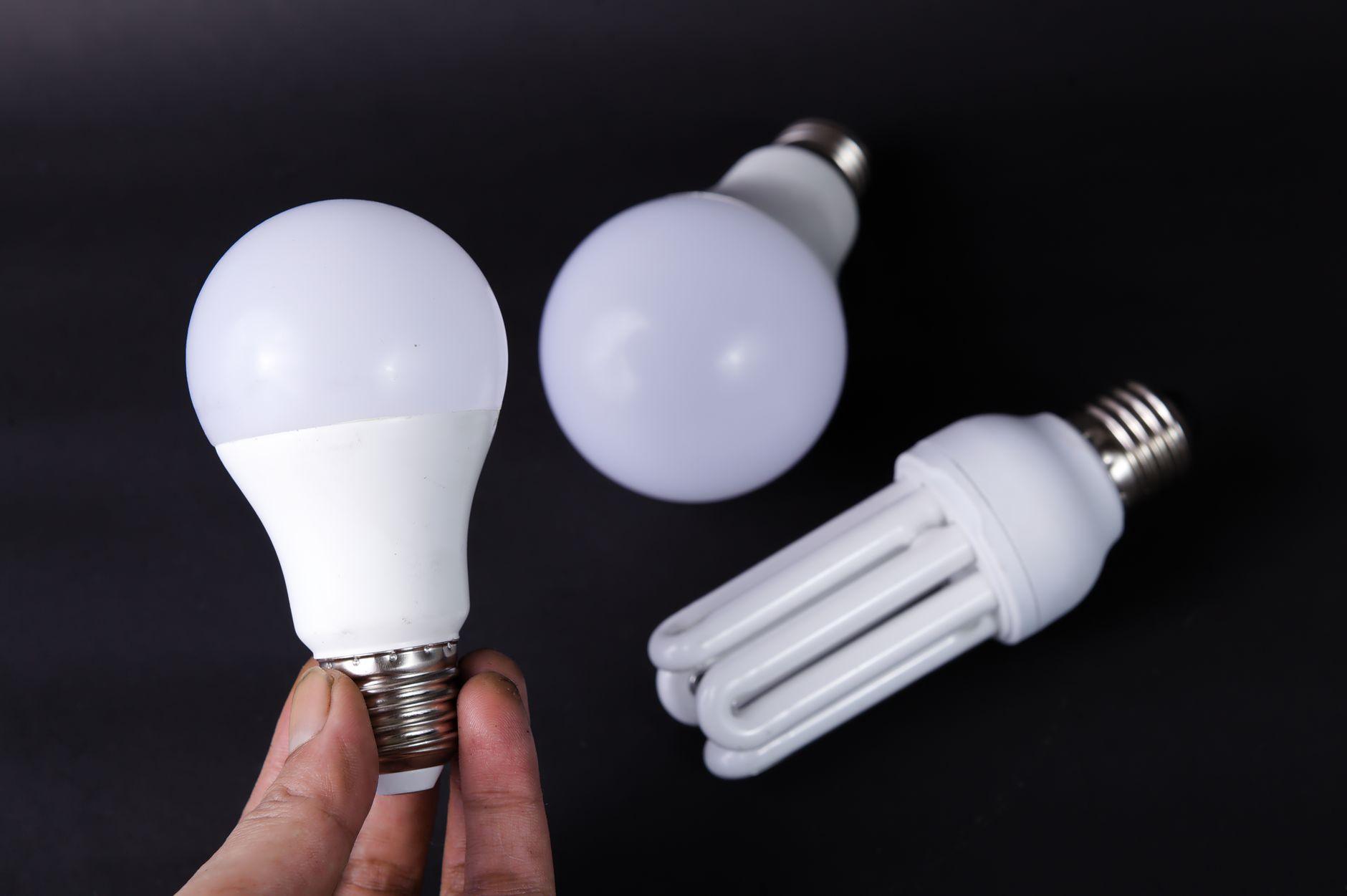
Complete home transitions to LED offer maximum savings but need not occur simultaneously. Replacing highest-use fixtures first maximizes financial impact. Lights operating 8 hours daily provide faster payback than lights used occasionally. Outdoor fixtures and home office lighting offer excellent starting points. Replacing remaining bulbs as incandescent originals burn out prevents waste while spreading costs. Lamp and Light”>Lamp and Light helps you plan transition strategies maximizing savings and convenience.
Strategic replacement considering fixture type ensures optimal results. Dimmer-equipped fixtures need compatible LED bulbs. Three-way sockets require specific bulb types. Certain fixtures demand specific base types. Understanding these compatibility requirements prevents purchasing incorrect bulbs and installation disappointment. Taking time for informed transitions ensures every replacement delivers intended benefits.
Environmental Impact Beyond Personal Finances
Energy-efficient lighting reduces environmental impact beyond personal household savings. Reduced electricity consumption means power plants generate less electricity, reducing fossil fuel consumption and greenhouse gas emissions. LED manufacturing produces less waste than incandescent production. Extended bulb lifespan reduces landfill contributions from frequent replacement cycles. Lamp and Light”>Lamp and Light supports environmental responsibility through efficient selections enabling households to reduce their carbon footprint.
Individual choices compound at scale. If every household adopted LED lighting, electricity consumption would drop significantly, reducing environmental impact from power generation. Supporting efficient technology adoption contributes to addressing climate change while improving personal financial situations. This alignment of personal benefit with environmental good creates compelling motivation for switching to efficient options.
Balancing Efficiency with Desired Aesthetics
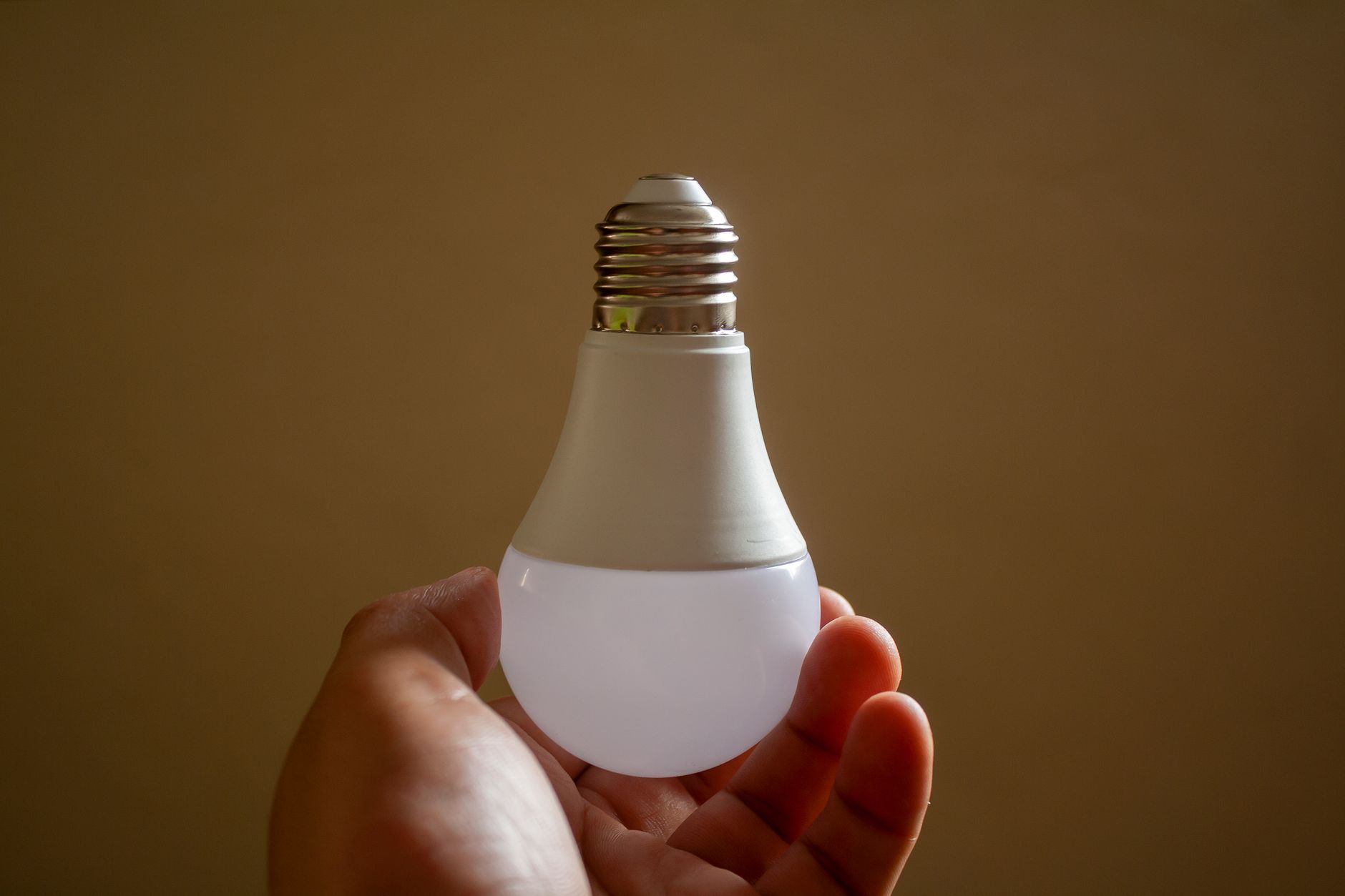
Energy efficiency need not compromise visual preferences or lighting quality. Modern LEDs offer all color temperatures, brightness levels, and fixture types available with older technologies. Dimming compatibility enables adjusting light levels matching moods and activities. Color-changing options provide mood lighting alongside standard white light. Lamp and Light”>Lamp and Light extensive selections ensure you find efficient options matching your aesthetic preferences.
- LEDs consume 75 to 80 percent less energy than incandescent technology.
- Total cost analysis reveals LED initial cost offsets through energy savings within months.
- Understanding lumens enables accurate brightness matching during technology transitions.
- Smart lighting systems provide automated efficiency through occupancy sensing and scheduling.
- Strategic replacement planning spreads costs while maximizing financial impact.
Energy-efficient lighting transforms from environmental obligation into compelling financial and practical improvement through modern technology. Lamp and Light”>Lamp and Light provides selections enabling substantial utility savings while maintaining beautiful, functional lighting. Switching to efficient options delivers financial benefits, environmental contributions, and improved lighting quality that modern LEDs provide compared to outdated technology.