


How to Choose the Right Contact Lenses for Your Eyes
 by
Mila Rossi
by
Mila Rossi
Contact lenses provide freedom and convenience for millions of people worldwide, offering clear vision without the frames that glasses require. However, selecting the right contact lenses involves understanding your vision correction needs, eye health considerations, and lifestyle requirements. Contact Lenses provides comprehensive guidance and a vast selection of options ensuring you find lenses perfectly suited to your individual circumstances and preferences.
Understanding Your Vision Prescription and Eye Health
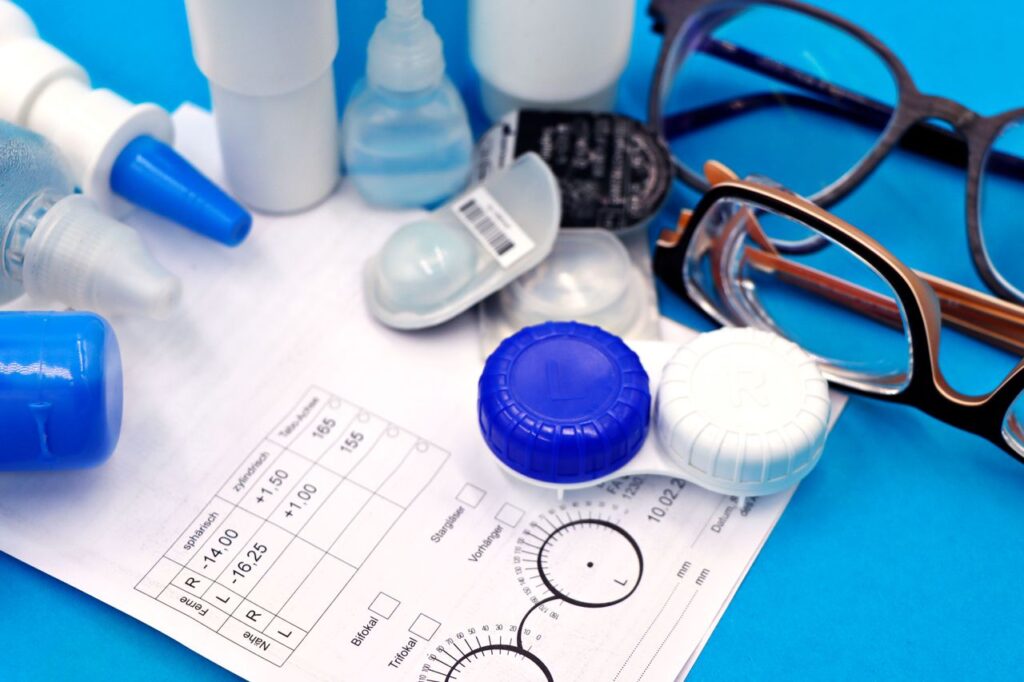
The foundation of choosing appropriate contact lenses begins with a comprehensive eye examination performed by qualified optometrists or ophthalmologists. This examination determines your precise vision prescription including sphere power for nearsightedness or farsightedness, cylinder and axis for astigmatism correction, and any specialized measurements required for multifocal lenses. Beyond prescription determination, the exam assesses your overall eye health, identifying conditions that might affect contact lens suitability. Contact Lenses ensures all lenses meet your specific prescription requirements while supporting your eye health.
Your eye health baseline informs critical decisions about lens materials, wearing schedules, and replacement frequencies. Dry eyes might benefit from lenses retaining higher moisture levels. Sensitive eyes require particular material compositions minimizing irritation. Astigmatism demands specialized toric lenses designed specifically for corneal irregularities. These health considerations override general preferences, ensuring comfort and safety remain paramount throughout your contact lens experience.
Contact Lens Materials and Oxygen Permeability
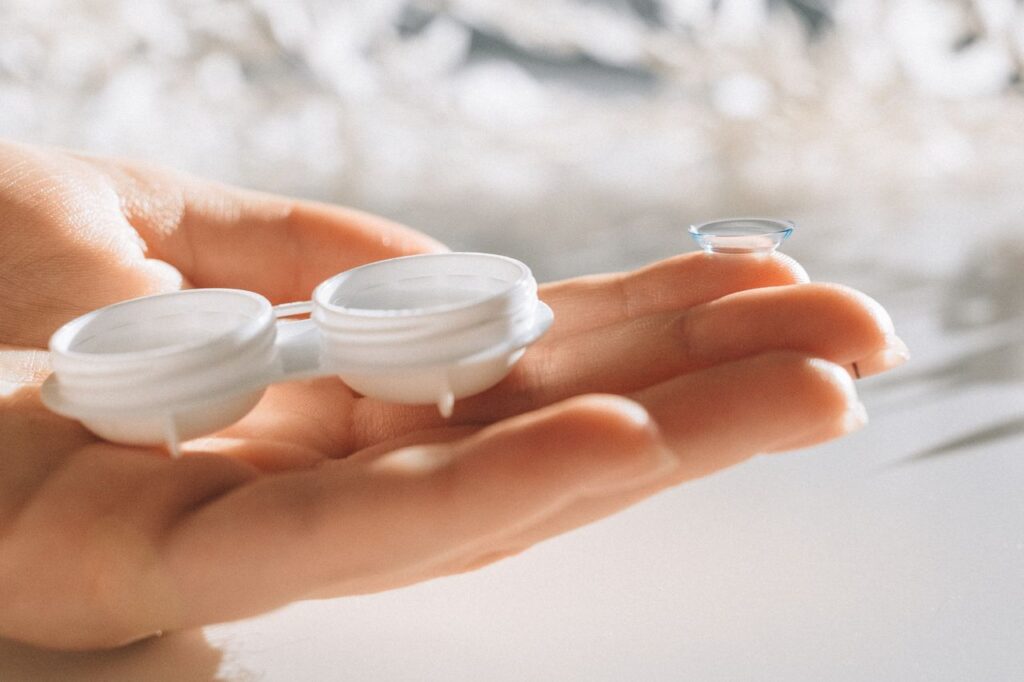
Modern contact lenses utilize advanced materials offering superior oxygen permeability, allowing your cornea to breathe while wearing lenses throughout extended periods. Older hydroxyethyl methacrylate (HEMA) materials provided basic vision correction but limited oxygen transmission. Today’s silicone hydrogel materials represent tremendous advances in comfort and eye health. Contact Lenses offers premium selections utilizing cutting-edge materials prioritizing long-term eye health and comfort.
Oxygen permeability becomes increasingly important for extended wear lenses worn overnight. Silicone hydrogel materials transmit substantially more oxygen than traditional materials, reducing complications from prolonged lens wear. Higher oxygen transmission means your eyes remain healthier and more comfortable during extended contact lens use. Selecting lenses manufactured from advanced materials demonstrates commitment to long-term eye health beyond simply correcting vision.
Lens Types: Daily, Bi-weekly, and Monthly Options
Contact lenses accommodate various wearing schedules and maintenance preferences through daily disposable, bi-weekly, and monthly replacement options. Daily disposables eliminate cleaning and storage concerns—you insert fresh lenses each morning and discard them each evening. This convenience comes with premium pricing but guarantees maximum hygiene and minimal maintenance. Contact Lenses stocks extensive daily disposable selections providing ultimate convenience for busy lifestyles.
Bi-weekly and monthly lenses require nightly cleaning and enzymatic treatment to maintain lens integrity and eye health. These options cost less per wear than daily disposables but demand consistent maintenance discipline. The choice between schedules depends on your lifestyle, budget, and willingness to maintain daily lens care routines. Busy professionals often prefer daily disposables despite higher costs, while budget-conscious patients accept monthly lens maintenance requirements. Both options provide excellent vision correction when chosen to match your circumstances.
Specialty Lenses for Specific Vision Needs
Standard single-vision contact lenses correct basic refractive errors but cannot address presbyopia affecting individuals over age forty requiring different focal strengths for distance versus near vision. Multifocal contact lenses provide seamless vision across multiple distances, eliminating the need to alternate between glasses for different activities. Contact Lenses provides comprehensive multifocal selections enabling clear vision at all distances without glasses.
Toric lenses address astigmatism through specialized design compensating for corneal irregularities. Keratoconus-management lenses support individuals with this corneal condition preventing standard lens fitting. Colored contact lenses serve aesthetic purposes for individuals seeking to change their eye appearance or enhance their natural color. These specialty options expand contact lens possibilities beyond basic vision correction, supporting diverse needs and preferences.
Comfort and Hydration for Daily Wear
Contact lens comfort directly impacts wearing duration and satisfaction. Lenses maintaining optimal hydration feel comfortable throughout extended wear, while dehydrated lenses cause irritation and dry eye symptoms. Modern lens formulations include ingredients promoting moisture retention, keeping eyes comfortable during full-day wear. Contact Lenses offers selections optimized for comfort, with many users reporting all-day wearability without mid-day dryness.
Your environment and individual eye characteristics affect comfort requirements. Air-conditioned offices increase evaporation from lens surfaces. Dry climates reduce ambient humidity affecting lens moisture. Individuals naturally producing less tear fluid require lenses retaining maximum hydration. Seasonal variations might necessitate adjusting lens selections between summer and winter. Communicating these environmental factors and eye characteristics to your eye care professional ensures selecting lenses optimizing comfort throughout your specific circumstances.
Budget Considerations and Value Assessment
Contact lens pricing varies substantially based on materials, technologies, and replacement schedules. Daily disposable premium brands cost significantly more than monthly generic options, though they eliminate cleaning concerns and guarantee maximum hygiene. Contact Lenses provides competitive pricing across multiple categories, helping you identify the best value matching your budget and preferences.
Evaluating contact lens value requires balancing cost against convenience, comfort, and eye health benefits. The cheapest lenses might cost less initially but cause discomfort necessitating expensive eye care interventions. Premium lenses costing more per box might provide superior comfort justifying their expense through increased wearing hours and reduced irritation. Assessing total cost of ownership including solutions, care supplies, and eye examinations creates comprehensive perspective enabling informed decisions.
- Comprehensive eye examinations establish your specific prescription and eye health requirements.
- Modern silicone hydrogel materials provide superior oxygen permeability and comfort.
- Daily, bi-weekly, and monthly options accommodate different lifestyles and preferences.
- Specialty lenses address presbyopia, astigmatism, and other vision needs.
- Balancing cost, comfort, and eye health ensures optimal contact lens selection.
Choosing contact lenses requires evaluating your vision needs, eye health, lifestyle requirements, and budget to identify options that provide clear, comfortable vision. Contact Lenses empowers this decision through comprehensive selections and expert guidance supporting your unique visual needs.